
5 Design Secrets Homeowners Can Steal From Luxury Hotels
There is a distinct feeling that washes over you the moment you step into a high-end hotel room or a luxury vacation rental. It isn’t just the thrill of travel; it is a carefully curated atmosphere designed to induce instant relaxation. The shoulders drop, the breath deepens, and for a few days, life feels effortlessly organized and indulgent. But why should this feeling be reserved for two weeks out of the year?
Luxury accommodations aren’t magic; they are the result of deliberate design psychology and operational efficiency. By analyzing what makes these spaces work, homeowners can reverse-engineer that 5-star experience within their own four walls. From sensory details to functional minimalism, here is how you can transform your home into a permanent retreat.
1. Master the Art of Layered Lighting
One of the first things you might notice in a luxury suite—often subconsciously—is the absence of harsh, single-source overhead lighting. High-end hospitality designers understand that lighting dictates mood. They rarely rely on a single “big light” to illuminate a room. Instead, they utilize a layered approach that offers flexibility and ambiance.
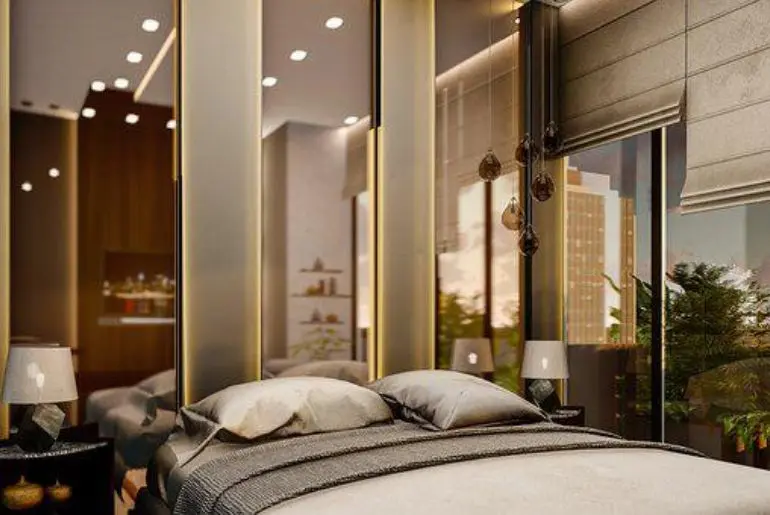
In a typical luxury room, you will find ambient lighting (general glow), task lighting (reading lamps), and accent lighting (highlighting art or architectural features). To replicate this, avoid relying solely on ceiling cans. Introduce floor lamps to soften corners and table lamps to create warm pools of light at eye level. Install dimmer switches on all overhead fixtures to transition the room from a bright workspace during the day to a moody lounge at night. By controlling the intensity and source of light, you control the energy of the room.
2. Prioritize the Sanctuary of Sleep
The crown jewel of any luxury accommodation is the bed. Hoteliers know that if a guest sleeps poorly, no amount of marble in the bathroom will save the review. This is why the industry standard involves crisp, high-thread-count white linens, an abundance of pillows in varying densities, and, most importantly, a supportive, premium mattress.
Creating this sanctuary at home requires an investment in your sleep foundation. Start with white bedding; it signals cleanliness and serenity to the brain, much like a spa. Next, evaluate your mattress. It is the single most used piece of furniture in your home. Whether you are ordering a bespoke frame online or shopping for a incredible mattress in Utah, the objective remains the same: find a sleep surface that provides hotel-level support and comfort. Finally, learn the “hospital corners” tucking technique to give your bed that crisp, tailored look every morning.
3. Embrace “Invisible” Storage and Decluttering
Luxury accommodations feel spacious not necessarily because they have more square footage, but because they have zero clutter. Every item in a hotel room has a specific home: the remote, the luggage, the toiletries. In contrast, residential homes often suffer from “visual noise”—mail on the counter, shoes by the door, and cords tangling in the corner.
To achieve that seamless hotel look, adopt the philosophy of “a place for everything.” Use trays to corral loose items on coffee tables and dressers. Invest in closed storage solutions like credenzas or ottomans with lids to hide necessities that aren’t aesthetically pleasing. Luxury spaces often utilize built-in joinery to hide televisions or mini-fridges; you can mimic this by using cord covers and managing tech clutter. When the visual field is clear, the mind is clear.
4. Curate a Signature Scent
Scent marketing is a massive industry in hospitality. Major hotel chains often pump a signature fragrance through their HVAC systems because they know that smell is strongly linked to memory and emotion. A subtle, pleasant aroma can instantly make a space feel more expensive and cohesive.
You don’t need an industrial diffuser to achieve this. Choose a signature scent for your home—perhaps white tea, sandalwood, or eucalyptus—and layer it throughout the house. Use a high-quality reed diffuser in the entryway for a welcoming first impression, and place a matching candle in the living room. The key is subtlety; the scent should be a whisper, not a shout. It adds a fourth dimension to your interior design that guests will feel before they even see the decor.
5. Elevate the Bathroom Experience
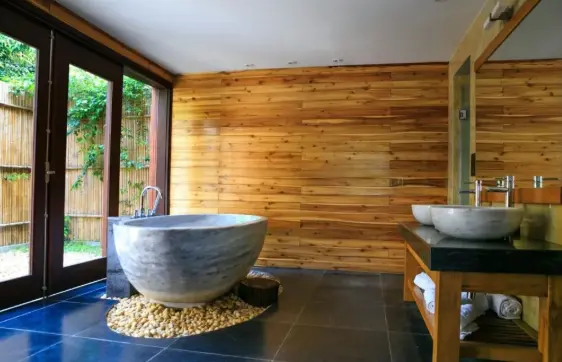
In luxury rentals, the bathroom is never just a utility room; it is a mini-spa. This effect is achieved through texture and amenities rather than just expensive tile work. The towels are inevitably fluffy, oversized, and white. The toiletries are often uniform, displayed in beautiful dispensers rather than mismatched plastic bottles.
Upgrade your daily routine by swapping out old, mismatched towels for a matching high-quality set. Decant your shampoo, conditioner, and body wash into matching glass or ceramic pump bottles. It is a small visual change that reduces clutter and adds a significant touch of elegance. Add a teak stool or a bamboo bath mat to introduce natural, spa-like textures. These small tactile shifts signal to your brain that it is time to slow down and practice self-care.
Bring the Vacation Home
You do not need a concierge or room service to enjoy the perks of luxury living. By focusing on sensory details like lighting and scent, clearing the visual clutter, and investing in foundational comfort like your sleep setup, you can capture that elusive vacation vibe. Your home should be the best place you ever stay—make it a destination worth returning to every single day.
Also Read-Gradding Introduces AI-Powered IELTS Practice Tech for Smarter Preparation