
Planning a Community Cleanup: Steps for Success

A well-organized community cleanup doesn’t just beautify public spaces – it also brings neighbors together, boosts civic pride, and fosters ongoing engagement with local environmental issues. Whether you’re tackling litter, overgrown weeds, or general disrepair, careful planning and the right resources, such as a rental dumpster, can ensure your event makes a meaningful and lasting difference. Let’s examine each step to maximize the success of your community cleanup.
Define the Scope and Objectives
Start by identifying a specific location in need of attention. This might be a local park, a stretch of downtown streets, a school playground, or a neglected alleyway. Walk through the area to assess its condition, noting the types of debris present – like trash, recyclables, invasive weeds, or hazardous materials. Clearly articulate the cleanup’s objectives, such as removing litter, restoring green spaces, or improving safety. Contact local officials or property owners to obtain any necessary permits or permissions, especially for public or high-traffic spaces.
Build Your Volunteer Team
Volunteers are the backbone of any successful community event. Begin by spreading the word through as many channels as possible: neighborhood association newsletters, community bulletin boards, email lists, and social media platforms like X, Facebook, or Nextdoor. Collaborate with schools, churches, local clubs, or scouting groups for broader reach – these organizations are often eager to participate in service projects.
Gather and Organize Supplies
Assemble all necessary supplies well in advance. In addition to basic items such as gloves, garbage bags, rakes, and shovels, consider special equipment for unique tasks – like pruning shears for overgrown bushes or paint for graffiti removal. Reach out to local businesses for donations, which could include cleaning supplies, refreshments, or sponsorship funds. Such partnerships not only reduce costs but also strengthen community ties.
Waste disposal is a critical element. A rental dumpster is often the most efficient solution for managing large volumes of trash or recyclables. Choose a size appropriate for your needs, such as a 20- or 30-yard dumpster, and arrange for drop-off and pickup services to save multiple trips to the landfill. Ensure the dumpster is placed in a location that is easily accessible but does not obstruct traffic, sidewalks, or nearby businesses.
Ensure Safety and Streamline Operations
Establish a central meeting hub where volunteers can check in, collect supplies, and receive instructions. Assign teams to specific zones within the cleanup area to maximize coverage and avoid duplication of effort.
Promote Recycling and Responsible Disposal
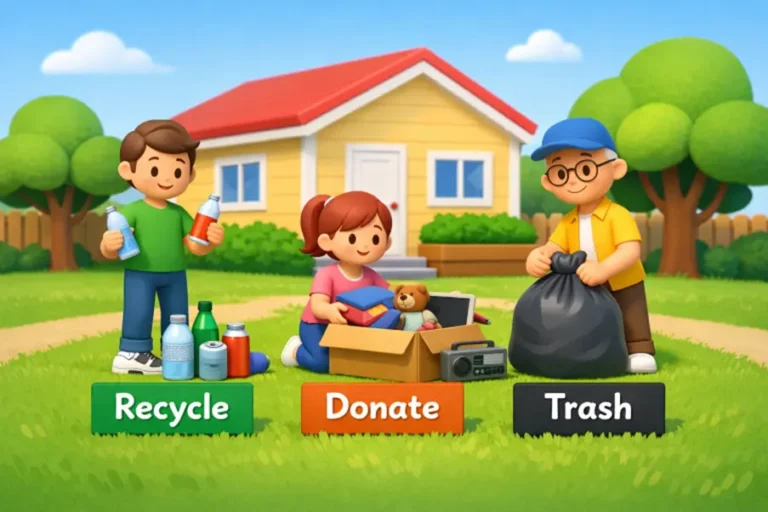
Make recycling a priority by setting up separate bins or marked dumpster sections for items like plastics, glass, cardboard, and aluminum. Provide clear signage to help volunteers sort materials correctly. Partner with local recycling centers or municipal waste services to ensure collected recyclables are processed properly. If hazardous materials are encountered, follow local guidelines for safe handling and disposal.
Celebrate, Share Results, and Inspire Future Action
Once the work is done, gather volunteers for a small celebration – this could be a group meal, a thank-you ceremony, or a simple photo session in the newly cleaned space. By planning thoroughly and leveraging resources like a Waste Removal USA rental dumpster, your cleanup can truly revitalize the neighborhood and leave a lasting legacy of community spirit and environmental stewardship.
Read more: Beginner’s Overview: How To Pick The Right EBike Type
Search Results For The Role Of Workers’ Compensation In Employee Safety And Well-being
From Big Tech to Big Freedom: The Future of Secure Browsing