

Common Causes of Foundation Damage: Soil, Moisture & Construction Mistakes Explained
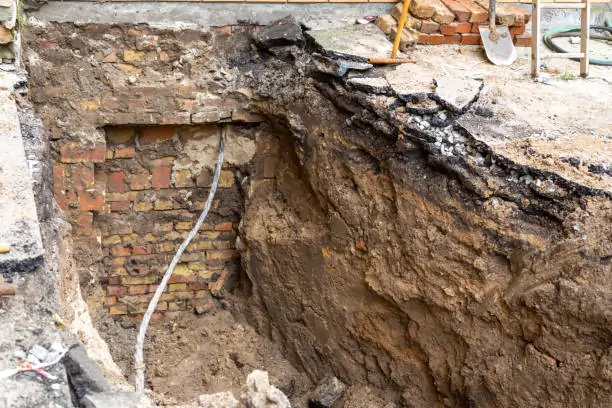
Foundations are the cornerstone of any home, silently supporting the weight of walls, floors, and roofs while maintaining structural integrity. Yet, many homeowners overlook the factors that can compromise this essential part of a house. Understanding why foundations deteriorate is crucial for preventing long-term damage and expensive repairs. We will explore the primary causes of foundation damage, focusing on soil conditions, moisture levels, and construction errors. By recognizing these contributors, homeowners can take proactive steps to protect their investment and ensure the stability of their property for years to come. Awareness and timely action are key to maintaining a safe and secure home environment.
Understanding the Main Causes of Foundation Damage
- Soil Conditions
Soil plays a fundamental role in foundation stability. Expansive soils, which swell when wet and shrink when dry, can exert significant pressure on a home’s foundation. In regions like Sugar Land, Texas, clay-rich soils are common, making structures vulnerable to uneven settling or shifting over time. Poor soil compaction during construction can also leave voids beneath the foundation, increasing the risk of cracks and settling. Additionally, soil erosion from surface water runoff or improper landscaping can undermine the slab’s support. Even subtle changes in soil composition or density around a home can lead to noticeable foundation movement. Homeowners can learn more about their property’s soil characteristics and monitor its behavior during seasonal changes to anticipate potential issues before they escalate into severe damage.
- Moisture and Water Management
Moisture is another critical factor influencing foundation health. Excessive or insufficient water can lead to foundation problems. Too little moisture causes the soil to shrink, creating gaps under the foundation that lead to sinking or sloping floors. Conversely, excess water can saturate the soil, causing it to expand and push against foundation walls, leading to cracks or upheaval. Leaks from plumbing or sprinkler systems, or poor drainage, exacerbate these problems, often unnoticed for months or years. Proper water management, including maintaining gutters, grading the landscape away from the foundation, and monitoring indoor plumbing, is essential for preventing foundation damage. Regular inspections can help identify early signs of water-related soil movement, allowing timely interventions before structural issues worsen.
- Construction and Design Errors
Mistakes made during construction can also contribute to foundation problems. Improperly poured concrete, insufficient reinforcement, or failure to account for soil conditions during the design phase can all undermine a foundation’s durability. Inadequate soil compaction before laying the foundation is a common oversight that creates weak spots prone to settlement. Additionally, rushed construction or cutting corners to save time and cost can leave the structure vulnerable to long-term movement. Even seemingly minor errors, such as incorrect placement of plumbing lines or poor grading around the foundation, can result in serious structural issues over time. Careful planning, adherence to building codes, and thorough inspections during construction are crucial to minimizing the risk of foundation failure and ensuring the home remains safe and level.
- Seasonal and Environmental Impacts
Environmental changes, including temperature fluctuations, droughts, and heavy rainfall, place additional stress on foundations. Clay soils, in particular, are highly responsive to moisture levels and temperature changes, expanding and contracting as conditions shift. In areas with pronounced seasonal variations, foundations may undergo repeated cycles of settling and heaving, weakening the structure over time. Trees planted too close to a foundation can also affect soil moisture and contribute to cracking or uneven settling. Understanding how local climate patterns interact with soil composition is essential for homeowners seeking to prevent damage. Simple preventative measures, such as maintaining consistent irrigation during dry periods and monitoring nearby vegetation, can reduce the risk of soil-related foundation issues and protect the home’s structural integrity.
- Long-Term Maintenance and Monitoring
Foundations require ongoing attention to remain stable and secure. Small cracks, uneven floors, or sticking doors may signal the beginning of more serious problems. Regular inspections by qualified personnel can detect subtle signs of stress before they escalate. Monitoring changes in the soil, water management practices, and the integrity of structural components can help homeowners respond proactively. Preventative maintenance, such as adjusting grading, repairing leaks, and promptly addressing minor cracks, helps ensure that issues do not compromise the home’s foundation. By investing time and effort into consistent monitoring, homeowners can significantly reduce the likelihood of major repairs and extend the lifespan of their property’s foundation, safeguarding both its value and structural stability.
Foundations are essential to maintaining a home’s safety and stability, yet they are susceptible to various factors that can cause damage. Soil conditions, moisture levels, construction errors, and environmental changes all affect how a foundation performs over time. By understanding these common causes, homeowners can take proactive steps to prevent serious structural problems. Regular inspections, proper water management, careful landscaping, and adherence to construction standards are critical measures for protecting the foundation. A stable foundation ensures a secure home, peace of mind, and protection of one of the most significant investments a family can make.
Read more: Understanding The Relationship Between Insulation And HVAC Efficiency
Moving Fragile Items? Here’s How Full‑Service Movers Keep Them Safe
The ‘Ghost’ Of The Pimple: Why Does Your Skin Remember Trauma Long After It Heals?