
What Causes Uneven Tire Wear and How to Prevent It
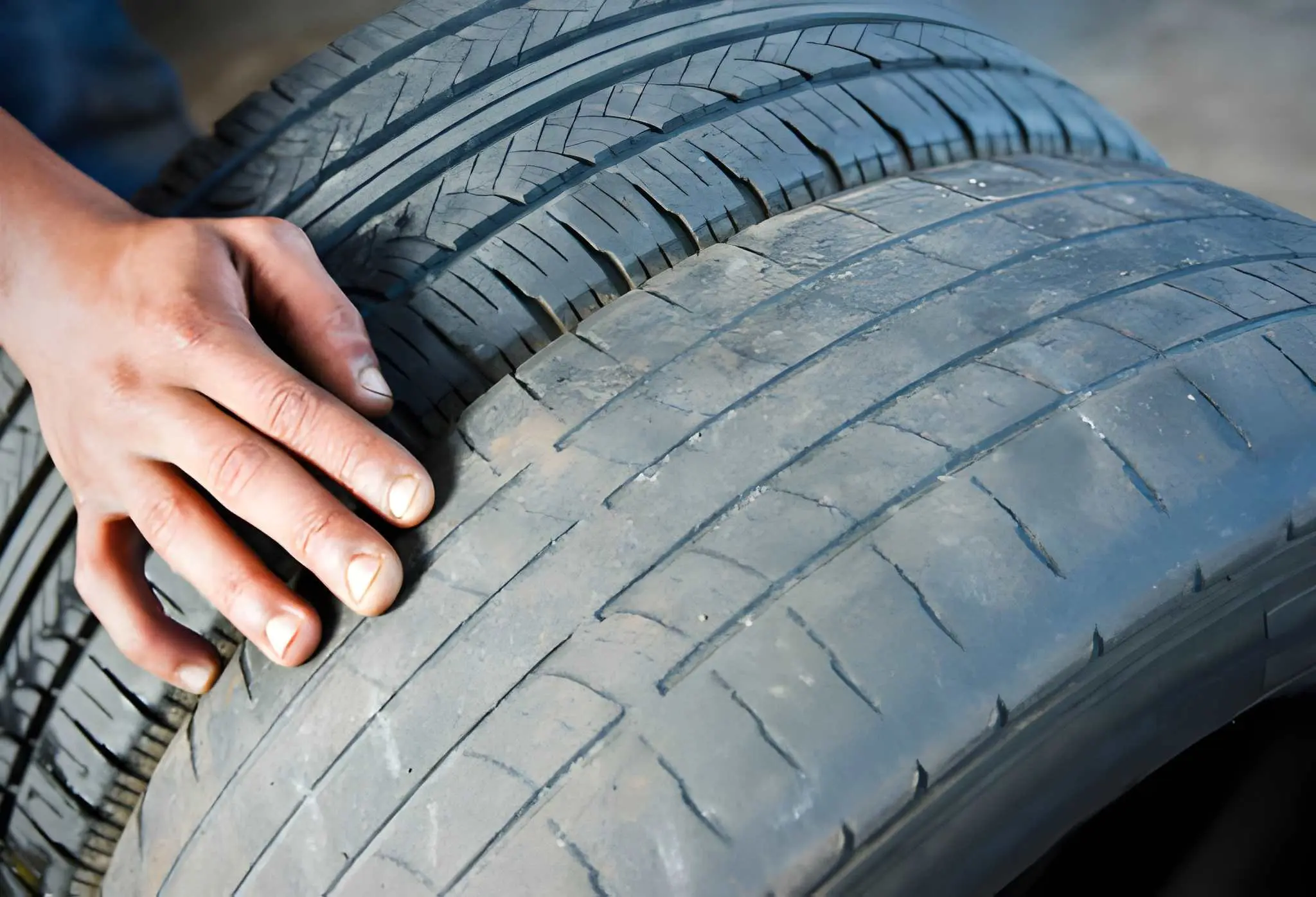
Uneven tire wear is a frequent problem for vehicle owners, often leading to safety hazards, compromised handling, and increased replacement costs over time. By recognizing what contributes to irregular wear patterns and adopting effective maintenance habits, you can significantly improve tire longevity. A proactive approach to car maintenance is crucial not only for tire health but also for maximizing overall vehicle safety and performance.
Simple maintenance practices and awareness can make a substantial difference in keeping your tires—and your entire vehicle—in optimal shape. By understanding key factors involved in tire wear, you avoid unnecessary expenses, reduce the risk of breakdowns, and enjoy a smoother, more efficient drive.
Common Causes of Uneven Tire Wear
Improper Tire Inflation
Keeping your tires at the right pressure is essential. If your tires are underinflated, the outer edges wear out more rapidly as the tire’s contact patch spreads. On the other hand, overinflation means the center of the tread bears the load, resulting in quicker wear on the center. Regularly checking tire pressures—especially before long journeys and with changing seasons—helps avoid these issues. Your car’s manufacturer provides the correct specifications, typically found in the owner’s manual or on the sticker inside the driver’s door.
Wheel Misalignment
Wheels that are not in their intended alignment cause tires to connect unevenly with the road. Misalignment typically results in interior or exterior edges wearing faster and can be identified if the steering wheel is not centered or the car pulls to one side. Routine alignments, especially after impacts or replacement, ensure safe operation and maximize tire lifespan.
Suspension Issues
Your suspension system directly affects how your tires contact the pavement. Worn-out struts, shocks, or bushings can lead to uneven bounces and changes to a tire’s camber angle—causing uneven, patchy wear. If you experience a rough or unstable ride, it may be time to have the suspension components inspected by a professional to prevent further tire damage.
Aggressive Driving Habits
The way you drive matters. Aggressive actions, such as rapid acceleration, hard braking, and taking corners at high speeds, put disproportionate stress on your tires, often leading to rapid and uneven tread wear. Smoother, more mindful driving habits considerably extend the lifespan of your tires and contribute to safer vehicle handling.
Tread pattern analysis by reputable automotive experts reveals that even minor alignment or pressure discrepancies can lead to significant long-term tire issues. The importance of following your vehicle’s maintenance schedule and seeking professional guidance from a service center is consistently emphasized by Consumer Reports’ Tire Safety Checklist.
Preventive Measures to Ensure Even Tire Wear
Regular Tire Rotations
Rotating your tires is a simple yet highly effective method to counteract uneven wear. Depending on whether your car is front-, rear-, or all-wheel drive, certain wheels carry more of the vehicle’s weight or handle more of the power. For most drivers, rotating the tires every 5,000 to 7,500 miles helps balance tread wear and maximize the lifespan of each tire.
Routine Wheel Alignments
Professional wheel alignments are vital for correcting out-of-spec angles. Even if no issues are visible, scheduling an alignment check once a year ensures that tires meet the road exactly as intended. These sharp adjustments support even wear patterns across each tire, enhancing both performance and safety.
Maintaining Proper Tire Pressure
Monthly tire pressure checks are among the easiest ways to prevent early tread demise. Small losses of pressure can accumulate over time and go unnoticed. Therefore, use a trusted gauge and compare the readings to the car manufacturer’s recommendations. This simple routine elevates fuel economy, extends tire life, and optimizes handling.
Regular Tire Inspections
Visually inspect your tires every few weeks and before long drives. Inspect for visible damage, foreign objects, cracks, bulges, and changes in tread depth. Early detection of problems helps you avoid more severe safety hazards or expensive repairs down the line.
Final Thoughts
Consistent attention to your tires’ condition and maintenance isn’t just about prolonging their life; it’s a fundamental component of driving safely. By addressing issues like air pressure, alignment, and suspension—or by modifying your driving style—you keep your tires wearing evenly. This improves handling, increases fuel efficiency, and gives you peace of mind on every journey. Make tire care a regular part of your car maintenance routine for a safer, more reliable driving experience.
Also Read-Why Your Car’s Handling Improves Instantly After a Proper Alignment