
Why Fewer, Better Pieces Are Replacing Fast Fashion Accessories
Accessories were once treated as finishing touches, easy to buy, easy to replace, and rarely meant to last. Fast fashion accelerated that mindset, turning jewelry and accessories into disposable style add-ons designed to match short-lived trends. Recently, however, a noticeable shift has taken place. More people are moving away from accumulation and toward intentional ownership, choosing fewer pieces that feel considered and enduring. In that shift, designers like Alexis Russell tend to surface naturally, not as trend symbols, but as part of a broader move toward pieces selected for longevity, meaning, and everyday wear rather than rapid turnover.
This change is not about rejecting style. It is about redefining value.
The Limits of Fast Fashion Accessories
Fast fashion accessories thrive on immediacy. They are designed to be eye-catching, inexpensive, and quickly outdated. While this model offers constant novelty, it also creates fatigue. Pieces lose relevance as soon as trends shift, and their short lifespan often becomes obvious through wear, discoloration, or breakage.
Over time, this cycle erodes the relationship people have with what they own. When accessories are easily replaced, they are rarely cared for or remembered. The result is clutter rather than collection, quantity without attachment.
A Growing Preference for Longevity
In contrast, fewer, better pieces invite long-term use. They are chosen deliberately, often after reflection, and worn repeatedly rather than rotated out. This approach changes how accessories function in daily life. Instead of matching trends, they become part of personal identity.
Longevity also creates familiarity. When a piece is worn often, it adapts to the wearer. Small marks, patina, and wear become part of its story rather than signs of failure. That sense of continuity is something fast fashion rarely offers.
Quality as a Response to Overchoice
One reason this shift is happening is simple overload. The abundance of inexpensive options has not made choosing easier. It has made it harder. Too many choices dilute attention and reduce satisfaction.
Behavioral research published by Columbia University has shown that excessive choice can lead to decision fatigue and lower perceived value of purchases. By narrowing choices and investing in fewer items, people experience greater satisfaction and stronger attachment to what they own. In accessories, this translates into selecting pieces that feel resolved rather than interchangeable.
Sustainability and Awareness
Environmental awareness has also played a role in this transition. Fast fashion accessories often rely on low-cost materials and processes that prioritize speed over responsibility. As consumers become more conscious of production methods and waste, the appeal of disposable items diminishes.
Fewer, higher-quality pieces align more naturally with sustainable values. They reduce waste not only by lasting longer, but by discouraging constant replacement. Ownership becomes intentional rather than reactive.
Emotional Value Over Visual Impact
Fast fashion accessories are designed for immediate visual impact. Their value is front-loaded, strongest at the moment of purchase or first wear. After that, interest fades quickly.
Higher-quality pieces often work the opposite way. Their visual presence may be subtler, but their emotional value grows with time. They become associated with routines, milestones, and everyday moments. This accumulation of meaning makes them harder to discard and more satisfying to keep.
Simplicity as a Style Choice
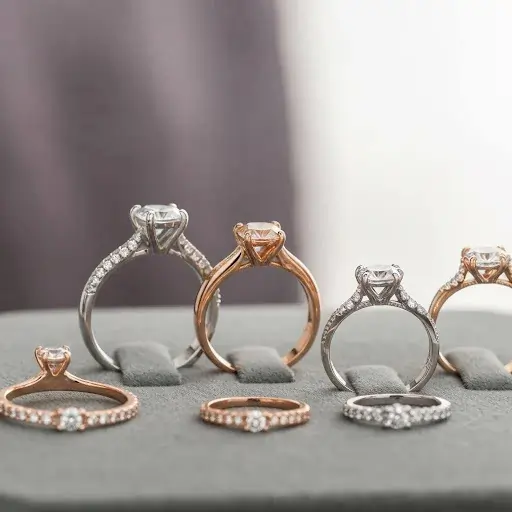
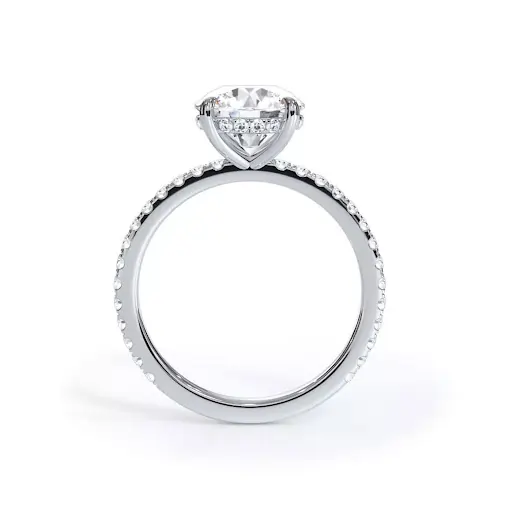
The move toward fewer accessories also reflects a broader shift toward simplicity in style. Rather than layering multiple statement pieces, people are choosing restraint. One ring worn daily replaces several worn occasionally. One necklace becomes a constant rather than an accessory of the moment.
This simplicity creates coherence. Personal style becomes recognizable not through variety, but through consistency. Accessories stop competing for attention and start supporting identity.
Craftsmanship Becomes Noticeable
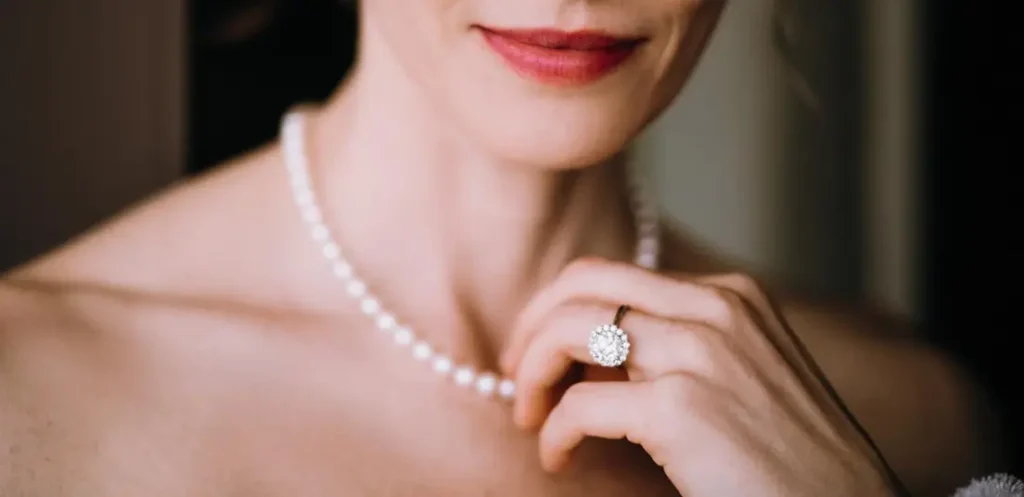
When quantity decreases, craftsmanship becomes more visible. Details that might go unnoticed in trend-driven pieces stand out in items designed to last. Weight, balance, finish, and comfort all contribute to how a piece feels when worn regularly.
Museums such as The Metropolitan Museum of Art have documented how jewelry historically functioned as a long-term personal object rather than a seasonal accessory, often valued for craftsmanship and symbolism as much as appearance. This historical perspective reinforces why well-made pieces tend to endure culturally as well as personally.
Fewer Pieces, Stronger Attachment
Owning fewer accessories changes behavior. Pieces are stored more carefully, worn more thoughtfully, and remembered more clearly. The relationship shifts from consumption to stewardship.
This attachment also reduces the impulse to replace. When a piece already fulfills both aesthetic and emotional needs, new purchases feel less necessary. Desire becomes more selective rather than constant.
Accessories as Identity Markers
Fast fashion accessories often signal trend awareness. Better pieces tend to signal identity. They reflect values, taste, and priorities rather than seasonal relevance.
This distinction matters as people move through life stages. Accessories chosen for identity tend to remain appropriate across changes, while trend-driven items age quickly. Fewer, better pieces offer continuity in a way fast fashion cannot.
Redefining What Feels Complete
A wardrobe or jewelry collection no longer needs to be extensive to feel complete. Completeness comes from alignment rather than volume. When each piece serves a purpose and feels right, excess becomes unnecessary.
This redefinition of completeness is central to why fewer, better pieces are gaining ground. They replace the anxiety of keeping up with trends with the confidence of knowing what works.
A Shift That Reflects Broader Values
The move away from fast fashion accessories mirrors wider cultural changes. People are questioning speed, excess, and disposability across many areas of life. Accessories are simply one visible place where those values take shape.
Choosing fewer, better pieces is not about minimalism for its own sake. It is about clarity. It allows accessories to return to what they once were: objects worn close to the body, chosen with care, and kept because they matter.
As this shift continues, fast fashion accessories lose their appeal not because style is less important, but because meaning has become more so.
Also Read-Dresses for Princesses: Where Fashion Meets Imagination