

Criminal Charges That Sound Like Jokes — But Definitely Aren’t
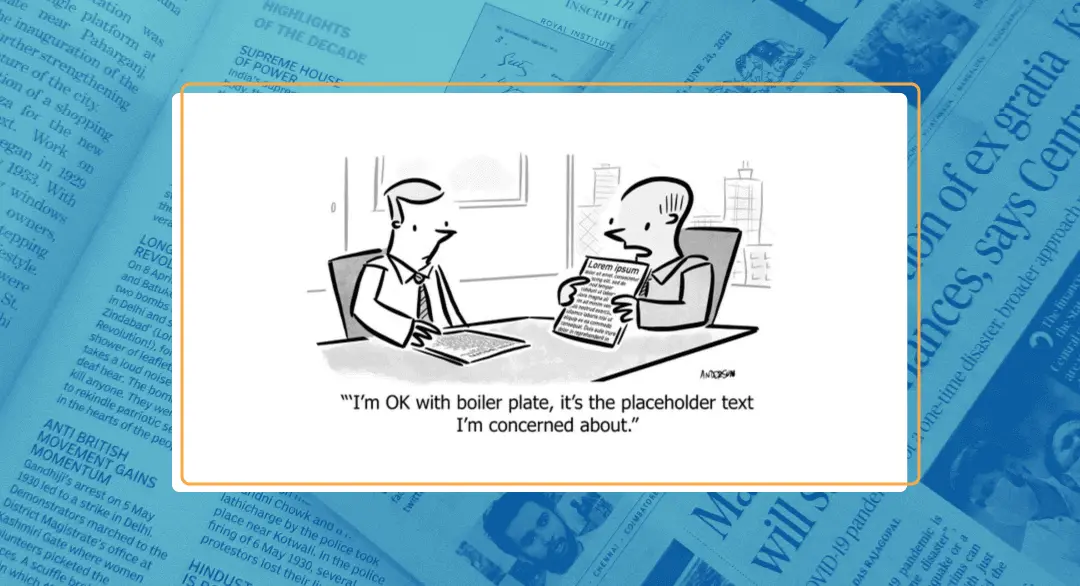
If you’ve ever laughed at a weird law or chuckled at a bizarre arrest headline, you’re not alone. The legal world is full of charges that sound like punchlines. Some of them are so oddly named or vaguely worded that they feel like they belong in a stand-up routine rather than a police report. Unfortunately, the consequences behind these charges are very real, and they’re no laughing matter—especially when fines, records, or jail time are involved. That’s often the moment people realize why having a criminal lawyer isn’t just for “serious crimes,” but for navigating the confusing ones too.
Let’s take a look at some criminal charges that might make you laugh at first glance—but could absolutely ruin your day.
Disorderly Conduct: The Legal Way of Saying “You Annoyed Someone”
“Disorderly conduct” sounds harmless, doesn’t it? Almost like being mildly inconvenient in public. In reality, this charge is one of the most flexible—and dangerous—tools in the legal system.
You can be charged with disorderly conduct for:
- Arguing too loudly in public
- Refusing to leave a place when asked
- Using offensive language
- Creating a scene that makes others uncomfortable
The vagueness is what makes it tricky. What one person considers harmless venting, another might consider a public disturbance. And because the definition varies by state and circumstance, people are often shocked to learn that something they brushed off as “nothing” now appears on a police report.
Public Nuisance: Not Just an HOA Complaint
Public nuisance sounds like something you’d get yelled at for by a neighborhood association, not something that could lead to arrest. But legally speaking, it covers a wide range of behaviors that interfere with public comfort, safety, or health.
Examples include:
- Blocking sidewalks or roadways
- Excessive noise complaints
- Hosting events without proper permits
- Leaving hazardous items in public spaces
It’s the kind of charge that sneaks up on people. You may think you’re being funny, expressive, or spontaneous—only to discover you’ve crossed an invisible legal line.
Resisting Without Violence: How Can You Resist Without Doing Anything?
This one confuses almost everyone. “Resisting arrest” sounds like a physical struggle, but “resisting without violence” can be as simple as:
- Pulling your arm away
- Refusing to comply immediately
- Walking away when told to stop
- Verbally questioning instructions
You don’t need to throw a punch to earn this charge. Even hesitation or confusion in a tense moment can be interpreted as resistance. It’s ironic, frustrating, and one of the most commonly misunderstood offenses on the books.
Loitering: Standing Around Is Apparently Suspicious
Loitering has long been a favorite example of a law that sounds more judgmental than criminal. Standing, sitting, or lingering without an obvious reason can be considered illegal in certain areas—especially near businesses, schools, or restricted zones.
While many loitering laws have been challenged or narrowed, people are still surprised to find themselves questioned or cited simply for “being around.” What feels like killing time can suddenly feel very serious when law enforcement gets involved.
Obstruction of Justice: Even When You Think You’re Helping
Obstruction of justice sounds dramatic—like destroying evidence or intimidating witnesses. In reality, it can apply to much smaller actions, including:
- Providing misleading information
- Interfering with an investigation
- Failing to comply with lawful requests
- Trying to “help” a friend avoid trouble
Good intentions don’t always matter. If authorities believe your actions slowed or complicated a process, you could be facing a charge that carries significant penalties.
Why These “Funny” Charges Are Actually Risky
The problem with charges that sound humorous or vague is that people don’t take them seriously until it’s too late. They assume:
- “This will get dropped.”
- “It’s just a warning.”
- “Everyone gets charged with this.”
But even minor charges can leave lasting effects—court dates, fines, probation, or a criminal record that shows up on background checks. That’s when people realize how valuable it is to have a criminal lawyer who understands how these charges are applied, challenged, and sometimes exaggerated.
When Humor Meets the Legal System
Many of these charges exist because the law needs flexibility. Not every harmful situation fits neatly into a single category. But that flexibility cuts both ways. What feels like a joke, a misunderstanding, or a bad day can quickly turn into paperwork, legal fees, and long-term consequences.
Courtrooms don’t care how funny the charge sounds. They care about statutes, precedent, and interpretation. And navigating that maze without guidance can be overwhelming.
This is exactly why people turn to a criminal lawyer—not because they’re guilty, but because they want someone who can translate confusing legal language into real-world outcomes and protect their rights before things spiral.
Final Thought: Laugh Now, But Take It Seriously
It’s fine to laugh at strange laws and oddly named charges. Humor helps make sense of how absurd life—and the legal system—can be. But if you ever find yourself facing one of these “joke-sounding” offenses, remember that the consequences aren’t funny at all.
Knowing when to laugh and when to take action can make all the difference. And when the joke stops being funny, having the right legal support can help ensure it doesn’t follow you longer than it should.
Also Read-Gradding Introduces AI-Powered IELTS Practice Tech for Smarter Preparation