

Step Smart: Essential Tips to Prevent Foot Injuries
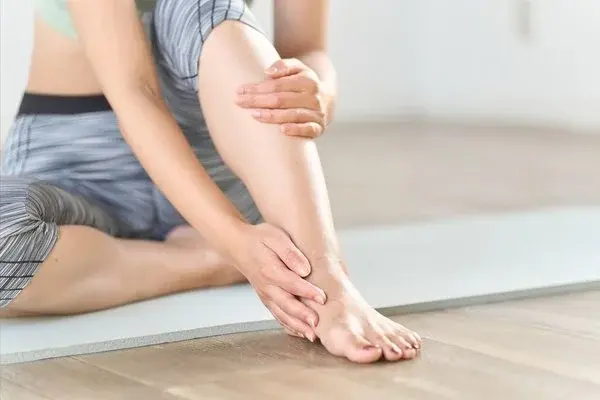
Our feet are the foundation of our daily movement, carrying us through every step of life. Yet, they are often overlooked until pain or injury strikes. Foot injuries can range from minor blisters to serious sprains, fractures, or chronic conditions that limit mobility. Preventing these injuries is not only essential for staying active but also for maintaining overall health and well-being. Here’s a guide on essential tips to keep your feet safe, comfortable, and strong.
1. Wear the Right Footwear
Proper footwear is the first line of defense against foot injuries. Shoes that fit poorly, lack support, or are worn out can lead to blisters, stress fractures, and long-term problems like plantar fasciitis. Choose shoes appropriate for your activity—running shoes for jogging, supportive boots for hiking, and cushioned shoes for daily wear. Make sure shoes have adequate arch support, cushioning, and a secure fit around the heel to minimize sliding or friction.
2. Warm-Up and Stretch
Just as warming up before exercise prevents muscle injuries, it’s crucial for foot safety. Stretch your calves, Achilles tendon, and the bottoms of your feet before engaging in physical activity. Simple exercises like rolling a tennis ball under your foot, toe stretches, and calf raises can increase flexibility and reduce the risk of strains or sprains. Consistent stretching strengthens foot muscles and improves overall balance, helping prevent accidents.
3. Strengthen Your Feet
Foot muscles are often neglected, but strengthening them can significantly reduce injury risk. Exercises such as toe curls, heel raises, and picking up objects with your toes build foot strength and stability. Strong feet absorb shock better, improve posture, and prevent common injuries caused by overuse or improper biomechanics. Including foot-strengthening exercises in your weekly routine can be a game-changer for injury prevention.
4. Practice Good Foot Hygiene
Healthy feet start with proper care. Wash your feet daily, dry them thoroughly, and trim your nails straight across to prevent ingrown nails. Moisturize to avoid cracked skin, but avoid putting lotion between your toes, which can promote fungal infections. Inspect your feet regularly for cuts, swelling, or unusual changes, especially if you’re active or have conditions like diabetes. Early attention can prevent minor issues from becoming serious injuries.
5. Listen to Your Body
Pain is your body’s warning signal. Ignoring soreness or minor injuries can lead to chronic problems. If your feet hurt, take a break, apply ice to reduce inflammation, and elevate them when possible. Gradually return to activity instead of rushing, as overexertion is a leading cause of stress fractures and sprains. Knowing when to rest is just as important as knowing how to train.
6. Avoid High-Risk Activities Without Preparation
Certain activities carry a higher risk of foot injuries, such as running on uneven terrain, high-impact sports, or wearing inappropriate footwear for specific exercises. Reduce risk by preparing properly: use supportive shoes, warm up thoroughly, and progress gradually. For activities like hiking or trail running, invest in shoes with good traction and ankle support to minimize the risk of twists and falls.
7. Seek Professional Guidance When Needed
Sometimes, foot pain or recurring injuries require professional attention. A podiatrist in Orem can assess your foot health, identify structural issues, and recommend custom orthotics or targeted treatments. Early intervention can prevent minor problems from developing into serious injuries, keeping you on your feet and active for years to come.
Final Thoughts
Preventing foot injuries requires attention, preparation, and care. By choosing the right footwear, stretching, strengthening, practicing good hygiene, and listening to your body, you can minimize risks and enjoy an active, injury-free life. Remember, your feet support every step of your journey—treat them with the care they deserve.
Also Read-How Bluevine’s business checking account fits into the modern business toolkit