

From Raw Land to Ready Lots: The Subdivision Development Process Explained
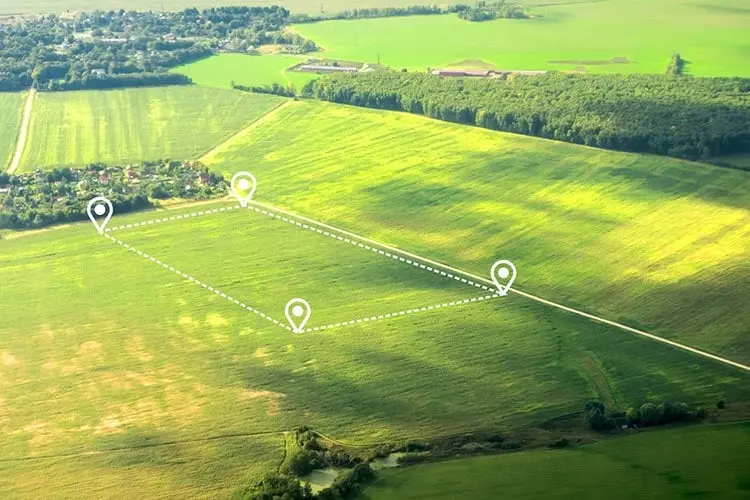
Turning raw land into a livable, organized community doesn’t happen overnight—and it certainly doesn’t happen by accident. Subdivision development is a coordinated process involving planning, engineering, financing, construction, and ongoing collaboration between public agencies and private developers. Whether you’re a landowner, investor, or simply curious about how neighborhoods come to life, understanding the key stages can help you see what happens long before “for sale” signs appear.
1. Initial vision and feasibility
Every subdivision begins with an idea: Could this property become a residential community, mixed-use neighborhood, or phased development? Before anything moves forward, developers assess basic feasibility. This includes reviewing topography, access roads, existing utilities, floodplains, wetlands, and surrounding land uses. Market studies often accompany physical due diligence to answer an essential question—will people actually want to live here?
A financial feasibility analysis follows. It estimates acquisition costs, entitlement expenses, construction budgets, infrastructure installation, and projected lot sale prices. If the numbers don’t pencil out, the project pauses here. If they do, planning moves forward.
2. Land acquisition and due diligence
If the developer doesn’t already own the property, a purchase contract is negotiated, often contingent on securing approvals. Title research verifies ownership, easements, liens, and any deed restrictions that could affect development. Environmental assessments may be performed to check for contamination or sensitive habitats.
At this stage, early conversations with local officials are invaluable. Understanding zoning classifications and comprehensive plans helps identify whether rezoning, variances, or annexation will be required.
3. Planning, design, and entitlements
This is where the raw idea begins to take physical shape. Land planners and civil engineers design the layout of lots, roads, sidewalks, open spaces, drainage, and utility corridors. Considerations include traffic flow, safety, emergency access, and community aesthetics.
The entitlement process—securing legal permission to develop—typically involves public hearings, plan submissions, neighborhood meetings, and agency reviews. Developers may need to provide traffic impact studies, stormwater plans, utility capacity letters, and environmental documentation. Approval timelines vary significantly depending on jurisdiction, complexity, and public feedback.
4. Engineering and permitting
Once preliminary plans are approved, detailed engineering documents are prepared. These specify grading, erosion control, utility depths, street sections, and stormwater system design. Multiple permits are commonly required from local, state, and sometimes federal agencies.
Stormwater management is a major focus during this step, including erosion and sediment control measures. In many regions, this process includes a required SWPPP inspection to ensure compliance with environmental standards.
5. Infrastructure construction
Only after approvals and permits are issued does physical transformation begin. Heavy equipment clears and grades land, establishes roadbeds, and shapes drainage features. Underground utilities—water, sewer, power, gas, and telecommunications—are installed before streets are paved.
This stage often happens in phases, especially for large subdivisions. Amenities such as parks, trails, ponds, and entry features may be constructed as lots are completed. Safety, quality control, and schedule management are critical because delays can ripple into sales and financing timelines.
6. Lot creation and plat recording
As infrastructure nears completion, surveys finalize individual lot boundaries. A subdivision plat—showing the legal lots, roads, and easements—is reviewed and recorded with the appropriate government office. Only after recording can lots be legally sold or transferred.
Developers may sell finished lots to builders, or in some cases, build homes themselves. Utility connections and access must be ready before home construction can begin.
7. Marketing and sales
With physical lots created, attention turns to the people who will ultimately live there. Branding, signage, online listings, and model homes introduce the community to buyers. Features such as walkability, nearby schools, green space, and HOA amenities become selling points.
Phased release of lots is common to manage cash flow and maintain pricing stability. Builders and real estate agents work together to match floor plans and locations with buyer preferences.
8. Final inspections and community handoff
Before roads, utilities, and open spaces are officially accepted by municipalities or homeowners’ associations, final inspections are conducted. Punch lists are completed, landscaping is finished, and long-term maintenance responsibilities are assigned.
Once residents move in, the original raw land is almost unrecognizable. What began as fields, forest, or vacant acreage is now a functioning community with families, routines, and a future.
The big picture
Subdivision development is both technical and human. It requires engineering precision, regulatory navigation, and significant capital—but its ultimate goal is creating places where people live, connect, and build their lives. By understanding the steps from concept to completion, you can better appreciate the thoughtful process behind every street, sidewalk, and front porch in a new neighborhood.
Also Read-How Bluevine’s business checking account fits into the modern business toolkit