
Under the Hood: A Beginner’s Guide to Automotive Parts
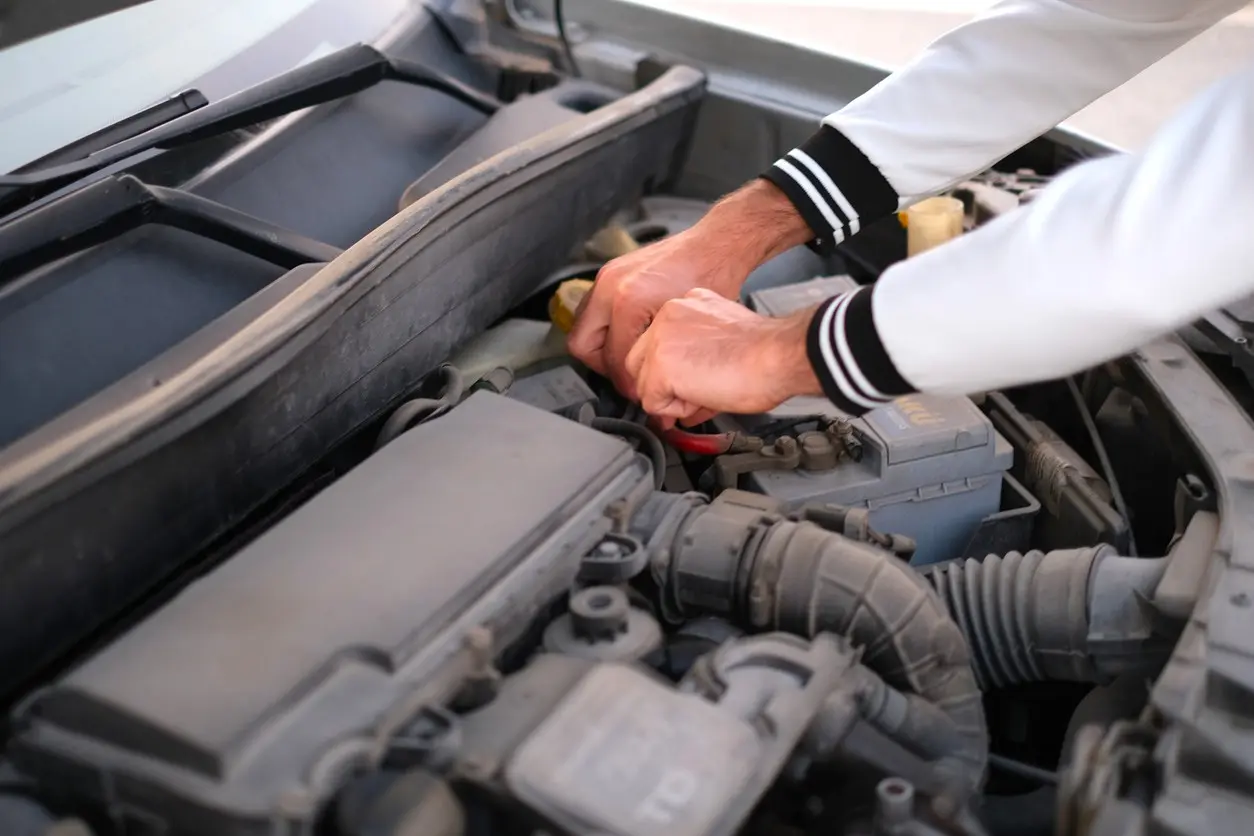
For anyone new to cars, the world under the hood can feel overwhelming. From shiny metal components to a maze of wires and hoses, understanding automotive parts is essential not just for enthusiasts, but for every vehicle owner. Knowing the basics can save you money, prevent breakdowns, and even help you appreciate the engineering that keeps your car running smoothly.
Engine Components: The Heart of Your Car
The engine is the heart of your vehicle. It converts fuel into motion, allowing your car to move. Key engine parts include:
- Cylinders and Pistons: These are where fuel combustion happens. Pistons move up and down inside cylinders to generate power.
- Crankshaft: Converts the pistons’ up-and-down motion into rotational energy that powers the wheels.
- Camshaft: Controls the opening and closing of valves, ensuring fuel and air enter and exit at the right times.
- Timing Belt/Chain: Keeps the engine’s moving parts in sync. A worn timing belt can lead to major engine damage, so regular checks are crucial.
Understanding these components helps you identify problems early. For example, unusual engine noises or decreased performance can indicate issues with pistons or the crankshaft.
Transmission: Power Management
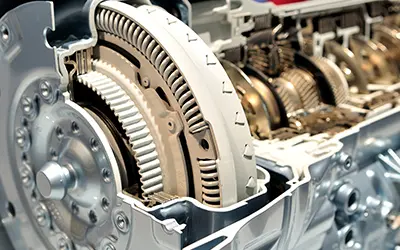
Your car’s transmission is what sends the engine’s power to the wheels. It allows you to shift gears and adjust speed efficiently. Automatics and manuals operate differently, but both contain essential parts like:
- Clutch (Manual): Engages and disengages the engine from the transmission for smooth gear changes.
- Torque Converter (Automatic): Transfers engine power to the transmission fluid to manage gear shifts.
- Gear Sets: Change the speed and torque to meet driving conditions.
Neglecting transmission maintenance, such as regular fluid changes, can lead to costly repairs down the road.
Brakes: Safety First
Brakes are vital for safety. A braking system consists of several components working together:
- Brake Pads and Shoes: Press against rotors or drums to slow down the vehicle.
- Rotors and Drums: Surfaces that brake pads and shoes press against.
- Calipers: Hold brake pads and apply pressure to the rotors.
- Brake Fluid: Transfers pressure from the brake pedal to the brakes themselves.
Regular inspections can prevent brake failure, one of the most dangerous issues a car can face.
Suspension and Steering: Smooth and Controlled
Your suspension and steering system keeps your car stable and comfortable, even on rough roads. Major parts include:
- Shock Absorbers and Struts: Absorb bumps and maintain tire contact with the road.
- Springs: Support the car’s weight and allow smooth motion.
- Tie Rods and Control Arms: Connect the steering system to the wheels, ensuring precise handling.
Proper maintenance of suspension and steering components not only improves safety but also enhances driving comfort.
Electrical and Accessories: The Modern Touch
Modern cars rely heavily on electrical systems. Key parts include:
- Battery: Powers the car’s electrical components.
- Alternator: Charges the battery while the car runs.
- Starter Motor: Starts the engine when you turn the key.
- Sensors and Wiring: Modern vehicles use dozens of sensors to monitor engine performance, emissions, and safety features.
A failing electrical system can lead to starting problems, dashboard warnings, or malfunctioning accessories.
Maintaining Your Automotive Parts
Routine maintenance is critical for every vehicle component. Some general tips include:
- Regular oil and fluid changes
- Inspecting belts, hoses, and brakes
- Rotating and balancing tires
- Cleaning and protecting exposed metal components
For parts that endure wear or need aesthetic protection, consider powder coat finish in Utah. This durable coating helps prevent rust and adds a professional, long-lasting finish to metal automotive parts.
Final Thoughts
Understanding automotive parts doesn’t require a mechanic’s degree, but knowing the basics empowers you as a car owner. From engine components to brakes, transmission, and electrical systems, each part plays a vital role in keeping your vehicle safe and reliable. With regular maintenance and attention, you can prevent costly repairs and enjoy the full performance of your car. Next time you open the hood, you’ll recognize more than just metal—you’ll see the intricate system that makes driving possible.
Also Read-How Bluevine’s business checking account fits into the modern business toolkit