
Choosing the Right Air Filter and Ventilation Plan After a Furnace Replacement
Replacing a furnace is more than just installing a new heating system—it’s about ensuring your entire indoor environment remains healthy, efficient, and comfortable. One of the most overlooked steps after a furnace replacement is selecting the right air filter and developing an effective ventilation plan. These elements play a vital role in maintaining air quality, optimizing system performance, and extending the life of your investment. A well-thought-out air filtration and ventilation strategy doesn’t just protect your new furnace; it enhances your entire home’s comfort. We will explore how to make smart decisions when choosing the right air filter and designing an effective ventilation plan for your home.
Key Considerations for Air Filters and Ventilation After a Furnace Replacement
1. Understanding the Role of Air Filters in System Efficiency
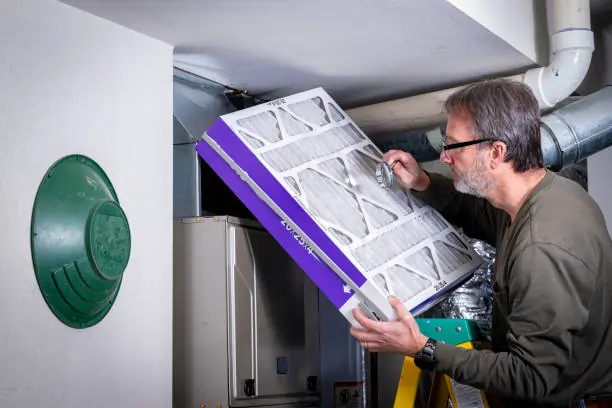
Air filters are essential to both the health of your furnace and the quality of your indoor air. They prevent dust, pollen, pet dander, and other airborne particles from circulating throughout your home and clogging your system. Choosing the right filter involves striking a balance between airflow efficiency and filtration strength. A filter that is too dense may trap more pollutants but restrict airflow, causing your furnace to work harder.
On the other hand, a filter that is too light might allow contaminants to pass through, reducing air quality. When replacing your furnace, it’s important to consult the manufacturer’s recommendations and understand your home’s unique needs. For example, households with pets or allergy sufferers may benefit from higher MERV-rated filters, while others may prioritize maintaining smooth airflow. Regularly replacing filters is just as crucial as selecting them, as clogged filters can strain your system and reduce energy efficiency.
2. Choosing the Appropriate Filter Type for Your Home
Air filters come in various types, each with distinct advantages. Fiberglass filters are inexpensive and suitable for homes without significant air quality concerns, but they require frequent replacement. Pleated filters offer enhanced filtration and last longer, making them an ideal choice for families seeking to reduce allergens. Electrostatic filters utilize static electricity to trap fine particles, offering a reusable and eco-friendly solution. High-Efficiency Particulate Air (HEPA) filters offer the highest level of filtration, capturing microscopic contaminants and enhancing overall air quality. For professional guidance on selecting the most effective filtration system for your home, you can rely on Semper Fi Heating and Cooling for HVAC service in Mesa AZ, ensuring your furnace operates efficiently while maintaining cleaner, healthier indoor air.
However, HEPA filters are often too dense for standard residential systems without modifications, so professional guidance is essential before installation. The right choice depends on factors such as household size, pets, allergies, and local air quality conditions. Understanding these differences helps homeowners select a filter that strikes a balance between clean air and furnace performance, ensuring comfort without overworking the system.
3. The Importance of Proper Ventilation After a Furnace Upgrade
Ventilation is just as critical as filtration, particularly after installing a new furnace. Modern systems are designed to be highly efficient, which means they seal in heat—but also seal in pollutants if not properly ventilated. Without an effective ventilation plan, indoor air can become stagnant, trapping humidity, odors, and harmful gases such as carbon monoxide. A well-designed ventilation system promotes the exchange of indoor and outdoor air, maintaining healthy air circulation throughout your home. Options include natural ventilation through windows, mechanical systems such as exhaust fans, or whole-house ventilation solutions that integrate directly with your HVAC setup. Each approach has benefits depending on your home’s layout, size, and insulation level. Ensuring that fresh air flows properly prevents the buildup of moisture and pollutants while improving the furnace’s overall performance. Ventilation planning should always align with the type and capacity of your newly installed system.
4. Energy Efficiency and Indoor Air Quality Balance
When replacing a furnace, many homeowners focus on energy efficiency, but achieving it depends heavily on both air filters and ventilation. A system with high efficiency but poor air circulation or an obstructed filter will underperform. Proper airflow ensures that your system doesn’t have to work harder than necessary, helping you maintain consistent comfort while preventing avoidable wear and tear. Additionally, being mindful of factors like electricity cost per kwh can help you better understand the long-term savings that come from keeping your furnace and ventilation system in optimal condition. Filters with high MERV ratings can remove more particles but may increase energy use if not matched with the right blower capacity. Similarly, inadequate ventilation can lead to air pressure imbalances, forcing the furnace to consume more energy to maintain a comfortable temperature. The goal is to strike a balance—use filters that provide effective air cleaning without impeding airflow and ensure ventilation systems bring in enough fresh air to dilute contaminants without excessive heat loss. Investing in programmable thermostats or smart HVAC controls can further optimize energy use, ensuring your new furnace operates smoothly while maintaining healthy and comfortable indoor air.
5. Professional Assessment for Optimal Results
While homeowners can replace filters and perform basic maintenance, designing a proper ventilation plan often requires professional assessment. A certified HVAC technician can evaluate your home’s airflow dynamics, insulation, and layout to recommend the most effective combination of filters and ventilation systems. They can also ensure that your furnace is properly calibrated to handle your chosen filter type without compromising efficiency. Professional input helps avoid common pitfalls such as improper filter sizing, unbalanced ductwork, or insufficient ventilation placement. This proactive approach not only preserves the longevity of your furnace but also improves comfort, safety, and energy savings. Investing in a professional evaluation after furnace replacement is a crucial step in maintaining optimal performance and air quality in your home.
Choosing the right air filter and ventilation plan after a furnace replacement is crucial for maintaining clean air, optimal system efficiency, and lasting comfort. Filters protect your furnace from dust and debris, while a well-planned ventilation system ensures that fresh, balanced airflow is maintained throughout your home. Together, they create an environment that supports both energy efficiency and healthy living. By paying attention to these details, homeowners can enjoy consistent warmth, clean air, and peace of mind knowing their furnace and indoor air systems work together in perfect harmony.
Read more: Helicopter Ride Dubai: Enjoy Stunning Aerial Views With A Premium Sky Tour Experience
How HVAC Experts Perform Preventive Maintenance to Extend System Life
The Quickest Way To Sell Your Home Without Repairs Or Open Houses