
Comfort, Function and Wellness: Living Spaces That Support Healthy Lifestyle
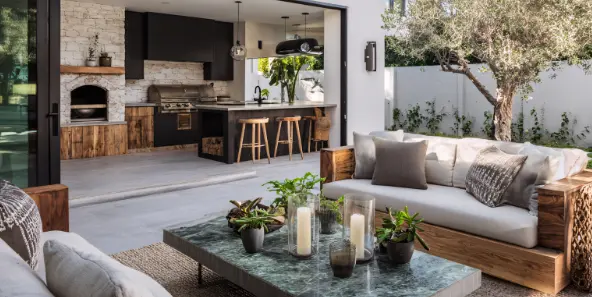
Designing Healthy Living Spaces That Transform Your Daily Life
Think about it—your home does more than keep rain off your head. It’s the place where you heal, decompress, and build the routines that define you. Here’s a striking fact: most of us clock about 90% of our existence indoors. That means your living environment is silently sculpting your physical condition and mental equilibrium around the clock.
Bad spatial planning saps your vitality. But when you get it right? Stress drops, movement happens naturally, and your quality of life genuinely climbs. This piece shows you how to build healthy living spaces that work for you—covering everything from where you position your couch to what materials touch your skin, with actionable tactics that fit any budget or rental situation.
Crafting the Comfortable Functional Living Room: Your Wellness Hub
Now let’s put theory into practice in the room where you probably spend most of your awake-at-home hours. A comfortable functional living room gives you relaxation, activity, and social space without turning into a chaotic mess.
Strategic Furniture Placement for Flow and Function
Position seating in conversational circles—sofas and chairs facing each other at comfortable talking distance—and watch stress during interactions naturally decrease. Traffic flow matters big time.
Wide, unobstructed pathways between doorways and key spots encourage movement instead of forcing you to play furniture Tetris. Living rooms with distinct zones for reading, TV, and games prevent any single activity from dominating.
Furniture scale changes everything about how a room feels. Massive pieces crammed into small spaces create visual chaos and spatial stress, while properly proportioned items maintain breathing room.
Living Room Area Rugs as Wellness Tools
Flooring choices reach beyond looks. Well-selected living room area rugs define functional zones, establish psychological comfort through visual grounding, and deliver a soothing texture that engages your senses while cutting stress. Proper sizing—extending underneath the front legs of seating—creates spatial harmony and eliminates that unsettling “floating furniture” vibe.
Natural fibers like wool, jute, and cotton support cleaner air compared to synthetics while scoring sustainability points. Hypoallergenic materials safeguard respiratory wellness, especially crucial since indoor air often contains more pollutants than outdoor air. Strategic placement softens echo in hard-floored spaces and prevents slips, addressing both acoustic comfort and fall safety across all ages.
Seating That Supports Physical Wellness
Look beyond pretty couches. Ergonomic furniture offering proper lumbar support and appropriate cushion density prevents back pain during extended sitting sessions. Mixed seating heights—standard sofas, low floor cushions, taller armchairs—encourage posture variety throughout your day, which builds core strength better than static sitting ever could.
Floor seating like poufs or meditation cushions promote flexibility and muscle activation when you shift positions.
Creating Active Living Spaces
Two-thirds of employers now view health and wellbeing as central to their strategy (Global Wellness Institute), and you can steal that thinking for home.
Standing conversation spots near kitchen counters or adjustable side tables encourage position changes. Maintain open floor real estate for stretching or quick workouts without furniture Jenga.
Movement-friendly additions like balance boards stashed beside sofas or wobble cushions on chairs transform passive sitting into sneaky core training.
The Foundation of Wellness Home Design: Core Principles That Matter
Wellness home design isn’t decorator fluff. It’s about turning regular rooms into places that actively feed your health through deliberate decisions around illumination, materials, and how spaces connect. Before you start shopping or moving furniture, grasping how your environment messes with your biology makes all the difference.
Understanding the Wellness-Design Connection
Here’s something that might surprise you: your physical surroundings directly mess with cortisol production, how well you sleep, and whether you actually move during the day. Studies suggest we could prevent 4% of dementia cases globally just by tackling social isolation which tells you that spaces encouraging human connection literally protect your brain. Biophilic design brings the outdoors in through greenery, timber, and sunlight, tapping into our hardwired craving for nature.
Brain science confirms that how you arrange a room predictably alters focus and emotional state. Clear sightlines calm anxiety. Cramped corners? They flip your stress switches.
The Five Pillars of Interior Design for Wellbeing
Solid interior design for wellbeing rests on five pillars: sensory balance (think light, noise, touch, temperature), furniture placement that invites motion, mental calm through color and tidiness, layouts that spark conversation, and flexibility when life changes. Consider your living room—does it make you want to stretch and chat with friends, or does it trap you slouching alone scrolling Instagram? That’s design at work.
Smart furniture positioning creates invisible paths that rack up daily steps without you noticing. Cluster seating instead of parking everything against walls, and watching conversations get easier. Small moves like throwing in sound-absorbing textiles or swapping toxic paint for cleaner options accumulate into serious health wins over months.
Home Layout for Healthy Lifestyle: Optimizing Your Floor Plan
Your living room might be the wellness hub, but how your entire place flows together determines whether you’ll naturally circulate all day or stay glued to one spot. Smart home layout for healthy lifestyle optimization promotes circulation and supports diverse activities.
Open vs. Defined Spaces: Finding Your Wellness Balance
Open concepts deliver visual spaciousness and social connectivity but can overwhelm people needing quiet retreats. Strategic dividers—bookshelves, folding screens, hanging plants—create intimacy minus permanent walls. Prospect and refuge theory suggests humans feel most at ease when they can survey surroundings while having a protected “back” position, which should inform your furniture placement.
Completely open layouts may spike stress for introverts or remote workers needing boundaries.
Circulation Patterns That Promote Movement
Design pathways naturally encourage walks between frequently used zones. Kitchen-living room connections reduce sedentary time by simplifying healthy snack prep or staying engaged with family while cooking. Visible stairs prompt more climbing than hidden ones—people use stairs they regularly see.
The 20-8-2 rule (20 minutes sitting, 8 standing, 2 moving per half hour) becomes achievable when your layout enables it.
Multi-Functional Zones for Holistic Wellness
Meditation corners within living areas don’t demand entire rooms—a comfortable cushion near a window does the job. Integrated workout zones using foldable gear or resistance bands preserve aesthetics while supporting fitness.
Reading nooks for mental restoration need only quality light and a supportive chair. Volunteering two to four hours weekly correlates with improved cognitive functioning (Psychology Today), and adaptable spaces easily accommodating guests or hobbies make community involvement more realistic.
Creative hobby zones support cognitive wellness through active learning and skill development.
Light as Medicine: Illumination Strategies
Once your floor plan encourages movement and mental wellness, leveraging light’s profound effects on circadian rhythms and mood becomes your next move. Natural and artificial lighting dramatically impacts sleep quality, energy levels, and seasonal mood tendencies.
Circadian Lighting Design
Track how sunlight travels through your home at various times. Maximize morning light in bedrooms and breakfast spots to support natural waking. Window treatments should manage glare without completely blocking beneficial light—sheer curtains or adjustable blinds hit that sweet spot.
Artificial lighting mimicking natural daylight cycles maintains healthy sleep-wake patterns. Cool-toned bulbs (5000K-6500K) energize during daytime, while warm tones (2700K-3000K) facilitate evening relaxation.
Layered Lighting for Function and Mood
Blend ambient (overhead), task (reading lamps), and accent (artwork highlighting) lighting instead of depending on one harsh ceiling fixture. Dimmer switches represent genuine wellness investments—they allow brightness adjustments for activities and time of day. Eliminating harsh shadows through multiple light sources cuts eye strain and builds more comfortable environments.
Smart lighting systems automate circadian support minus constant manual fiddling.
Material Choices That Support Health
Beyond what you observe and how light moves, the materials surrounding you continuously affect air quality and sensory experience. Low-VOC paints and finishes minimize harmful off-gassing compromising indoor air. Natural materials like wood, stone, and cotton typically cause fewer allergic reactions than synthetics.
| Material Type | Wellness Benefits | Best Applications | Budget Considerations |
| Natural Wood | Stress reduction, warmth, durability | Furniture, flooring, accents | Higher initial cost, long lifespan |
| Low-VOC Paint | Improved air quality, reduced headaches | All walls and ceilings | Minimal added cost over standard |
| Natural Fiber Textiles | Breathability, allergen reduction | Curtains, upholstery, bedding | Mid-range, washable options available |
| Stone/Clay | Antimicrobial properties, thermal mass | Counters, tiles, decorative objects | Wide price range by type |
Textural diversity engages senses positively—smooth wood, rough jute, soft cotton—creating spaces feeling alive rather than sterile.
Air Quality and Acoustic Design
Clean air and managed sound complete the environmental wellness picture. Strategic plant placement provides natural air purification—snake plants, pothos, and spider plants thrive in various light conditions. Cross-ventilation strategies using opposite windows create natural air circulation minus energy costs.
Acoustic design often gets ignored but dramatically affects stress. Soft furnishings like rugs, curtains, and upholstered furniture absorb sound that hard surfaces amplify. In noisy settings, white noise machines or water features mask disruptive sounds. Even simple additions like fabric wall hangings reduce echo in bare rooms.
Budget-Friendly Implementation
Wellness design doesn’t demand unlimited cash. Rearranging existing furniture costs zero but creates better flow immediately. Decluttering and deep cleaning improve both air quality and mental clarity for free. Secondhand furniture often features superior construction than new budget pieces while supporting sustainability.
Prioritize investments strategically: splurge on items affecting sleep (mattress, pillows) and daily posture (desk chair, sofa), while economizing on decorative elements you can upgrade later. Paint transformations cost relatively little but dramatically shift mood through color psychology.
Your Questions About Wellness-Focused Living Answered
Can renters create wellness spaces without permanent changes?
Absolutely—furniture arrangement, removable rugs, plants, lighting, and organization systems transform spaces without altering structures. Temporary solutions like tension rods for curtains or freestanding room dividers work perfectly.
What’s the single most impactful wellness design change?
Maximizing natural light exposure typically delivers the biggest immediate payoff, affecting mood, energy, sleep quality, and vitamin D production simultaneously. Opening curtains and cleaning windows costs nothing.
How long before noticing wellness improvements after redesigning?
Most people report improved sleep within days of bedroom lighting and organization changes, while mood and stress improvements often surface within two weeks as new spatial patterns become habitual.
Final Thoughts on Creating Your Wellness Sanctuary
Your living space influences your health more powerfully than most people grasp, affecting everything from stress hormones to daily movement through design choices both large and tiny. Whether you’re rearranging furniture for superior flow, introducing natural elements, or planning bigger renovations, each intentional change compounds into lasting wellness returns.
Start with one high-impact zone—maybe improving bedroom lighting or creating a conversation-friendly living room layout—and build momentum from there. Your home isn’t simply where you exist; it’s the foundation supporting every dimension of your wellbeing, deserving the same attention you’d invest in exercise or nutrition.
Also Read-How HVAC Experts Perform Preventive Maintenance to Extend System Life