

How Aluminium Recycling Services Help Build a More Sustainable Future
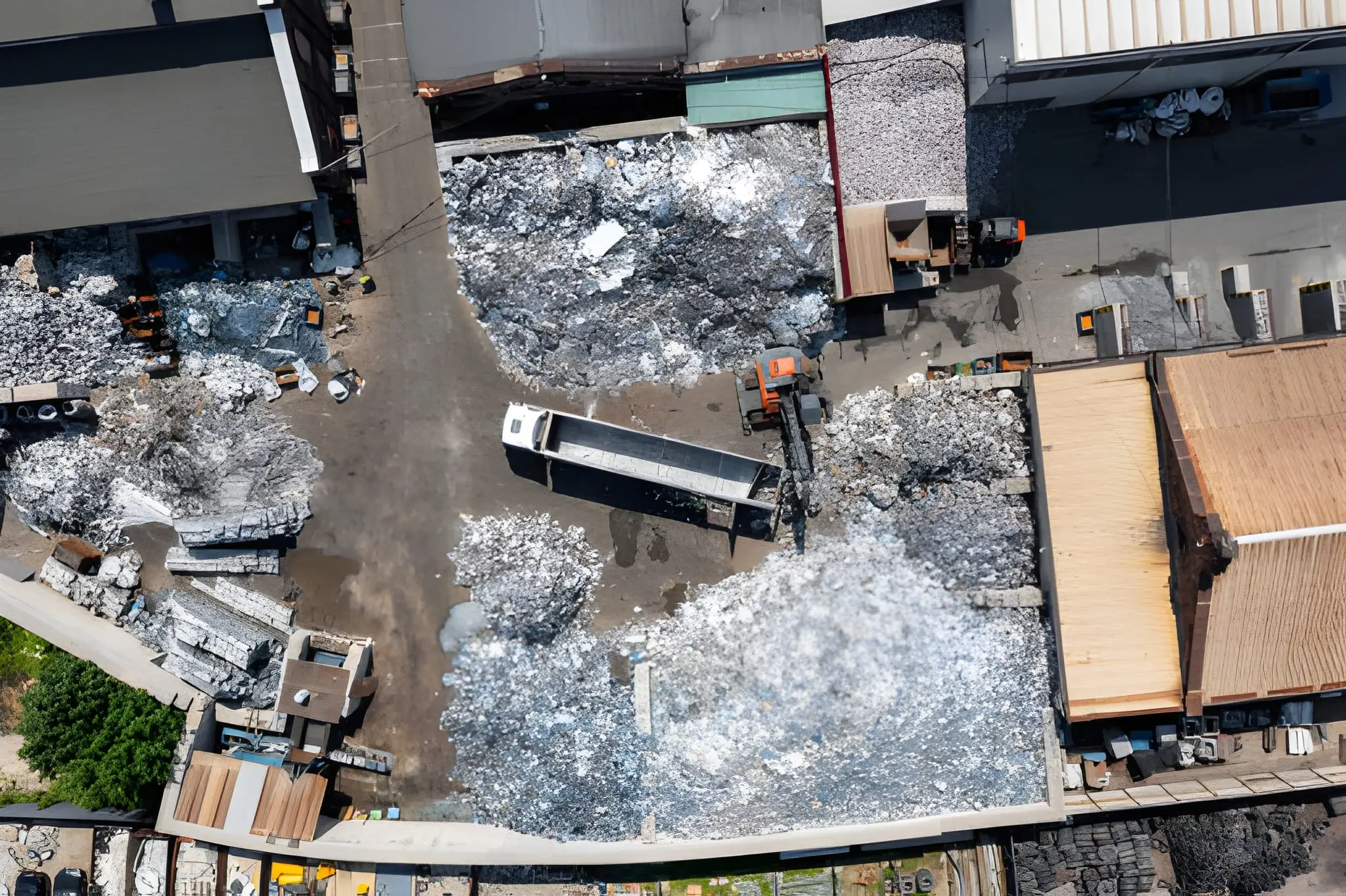
When you crack open a can of soda, wrap leftovers in foil, or see a gleaming car body under the sun, you’re looking at one of the world’s most versatile and valuable materials: aluminium. Light, strong, and endlessly recyclable, aluminium is an essential part of modern life.
But what makes it truly remarkable is how it fits into our growing focus on sustainability. Unlike many materials that degrade over time, aluminium can be recycled repeatedly without losing its quality. That means the same piece of metal that once held your drink could someday become part of a jet engine or a building facade.
Let’s explore how aluminium recycling services are helping reshape industries, reduce waste, and build a cleaner, more sustainable future for everyone.
Why Aluminium Is So Important
Aluminium is everywhere from smartphones and laptops to windows, vehicles, and airplanes. Its popularity comes from a combination of qualities that few materials can match: it’s lightweight, corrosion-resistant, strong, and easy to shape.
However, producing aluminium from scratch (known as “primary production”) is extremely energy-intensive. Extracting it from bauxite ore requires high temperatures, complex refining processes, and massive amounts of electricity. This leads to significant carbon emissions and environmental impact.
That’s where recycling makes a world of difference. Recycled aluminium, also called “secondary aluminium,” requires only 5% of the energy used in primary production. In other words, recycling one tonne of aluminium saves enough energy to power a home for several years.
And here’s the best part: recycled aluminium is just as good as new aluminium. It doesn’t lose strength, shine, or flexibility making it one of the most sustainable materials on Earth.
This unique characteristic has made aluminium recycling a cornerstone of the circular economy, a model that focuses on reusing and regenerating materials rather than constantly extracting new ones.
The Recycling Process: Giving Old Aluminium a New Life
So how exactly does an everyday object — like a discarded drink can or an old window frame — turn into something useful again? The process is surprisingly efficient.
1. Collection and Sorting
It all begins with collecting aluminium waste from various sources: households, construction sites, manufacturing facilities, and even automotive yards. Once gathered, the materials are sorted to separate pure aluminium from mixed or contaminated metals.
This sorting step is crucial because aluminium often comes with coatings, labels, or attached components that need to be removed before recycling.
2. Cleaning and Shredding
Next, the aluminium is cleaned to remove dirt, paint, and other contaminants. Then it’s shredded into smaller pieces to make melting easier and more uniform. This step increases efficiency and helps recyclers recover a higher percentage of usable metal.
3. Melting and Refining
The shredded aluminium is placed into a furnace and melted at around 660°C, a relatively low melting point compared to other metals. During melting, impurities rise to the surface and are skimmed off, leaving behind pure molten aluminium.
Once purified, the molten metal is poured into molds to create ingots or billets large blocks that can be rolled, extruded, or cast into new products.
4. Back into Production
Those newly formed aluminium blocks are sent to manufacturers, where they are transformed into everything from car parts and appliances to new cans and electronics.
This process can repeat endlessly. In fact, it’s estimated that over 75% of all aluminium ever produced is still in use today, a testament to its incredible recyclability.
The Environmental and Economic Benefits
Aluminium recycling isn’t just an environmental win, it’s also an economic one. It creates jobs, saves energy, and supports industries that rely on affordable, high-quality raw materials.
Here’s how it makes a real-world difference:
1. Massive Energy and Emission Savings
Producing new aluminium consumes enormous amounts of electricity. By contrast, recycling aluminium saves up to 95% of that energy. That reduction directly cuts carbon emissions and helps combat climate change.
For example, recycling just one tonne of aluminium can prevent up to 10 tonnes of CO₂ emissions, the equivalent of taking a car off the road for several months.
2. Reducing Waste in Landfills
Aluminium doesn’t biodegrade, so if it ends up in a landfill, it stays there indefinitely. Recycling diverts this valuable material from landfills and reintroduces it into the economy, where it can be used productively.
3. Supporting Local Economies
Recycling industries generate employment in collection, processing, transport, and manufacturing. Every recycled can or scrap piece of aluminium supports a larger network of workers and businesses that contribute to local economic growth.
4. Lower Costs for Manufacturers
Recycled aluminium is significantly cheaper to produce than new aluminium. This helps manufacturers lower costs, reduce reliance on mining, and create eco-friendly, cost-effective products.
From a sustainability perspective, it’s a win-win: businesses save money while reducing their environmental footprint.
Real-World Impact: Industries That Rely on Aluminium Recycling
The effects of aluminium recycling stretch across almost every sector.
- Construction: Recycled aluminium is widely used in building materials such as window frames, roofing, and cladding. It offers strength and resistance to rust, making it ideal for long-lasting structures.
- Transportation: The automotive and aerospace industries depend heavily on aluminium for lightweight yet durable parts. Using recycled metal helps reduce manufacturing emissions and fuel consumption.
- Packaging: Beverage cans and foil packaging are among the most recycled products globally. They can be melted down and returned to store shelves in as little as 60 days.
- Electronics: From smartphones to laptops, recycled aluminium provides sleek finishes and reliable durability for modern tech products.
Each time aluminium is recycled, it closes a loop turning yesterday’s waste into tomorrow’s innovation.
In Australia, Aluminium Recycling Services by Austick help keep that loop running efficiently. By collecting, sorting, and refining scrap materials, these services ensure aluminium waste doesn’t end up in landfills but instead returns to circulation as high-quality raw material. This process not only supports sustainability goals but also helps businesses meet modern environmental standards without compromising on quality or cost.
A Future Built on Smart Recycling
As industries evolve, aluminium recycling continues to play a vital role in creating a sustainable, low-carbon future. The more efficiently we recover and reuse materials, the less pressure we place on natural resources and ecosystems.
Governments and companies worldwide are recognizing this shift. Policies promoting recycling, energy efficiency, and waste reduction are reshaping how we think about materials and manufacturing.
For individuals, even small actions make a big difference. Recycling cans at home, choosing products made from recycled materials, or supporting businesses that prioritize sustainability all contribute to a healthier planet.
Ultimately, aluminium recycling is about more than metal it’s about mindset. It reflects a growing understanding that sustainability isn’t just an environmental issue; it’s an opportunity to innovate, save resources, and build a better world for generations to come.
Final Thoughts
From the soda can in your fridge to the airplane flying overhead, aluminium connects nearly every part of modern life. And thanks to its unique ability to be recycled endlessly without losing quality, it’s leading the charge toward a more sustainable future.
By turning scrap into valuable material, aluminium recycling reduces waste, conserves energy, and supports industries worldwide. It’s proof that with the right systems in place, progress and sustainability can go hand in hand.
Because sometimes, the simplest act recycling a piece of metal can spark the biggest change.
Also Read–From Big Tech to Big Freedom: The Future of Secure Browsing