
How Regular Pond Maintenance Can Promote Healthier Koi
Maintaining a koi pond isn’t a one-time task; it’s a commitment to the health and beauty of your aquatic oasis. A well-cared-for pond supports a thriving ecosystem, reduces stress for your fish, and keeps water sparkling clear. In addition to visual appeal, routine maintenance helps prevent common problems such as algae blooms, disease, and unsafe water conditions. For busy pond owners, using a pond cleaning service can make ongoing care easier and more effective.
Successful koi pond maintenance creates a sustainable habitat where fish can grow, display vibrant colors, and avoid the health risks associated with neglect. Let’s explore the core practices, seasonal considerations, and expert tips in more depth, ensuring your koi enjoy clean, balanced water and that you enjoy the peace of mind that comes with proper management.
Importance of Regular Maintenance
Proactive pond maintenance is the backbone of healthy koi and a thriving aquatic landscape. Neglecting your pond allows organic debris to accumulate, leading to poor water quality that stresses fish and promotes the growth of harmful bacteria. By setting a reliable maintenance routine, you help your koi develop strong immune systems, vivid coloration, and high activity levels. A consistent approach also keeps pond water visually appealing, reducing the need for sudden, drastic interventions.
Essential Maintenance Tasks
The following core tasks are crucial for keeping your koi and pond environment in peak condition:
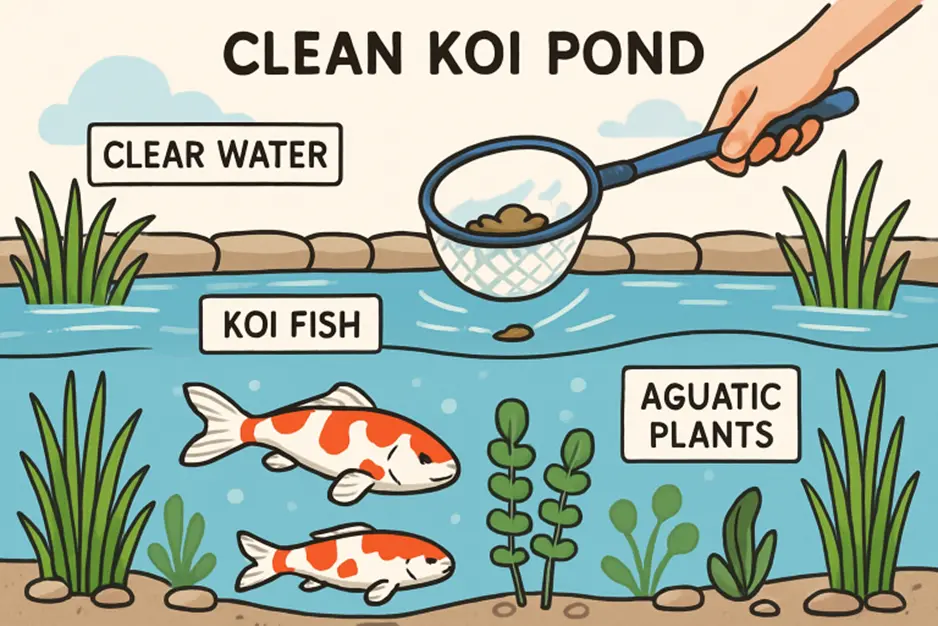
- Debris Removal: Skim the surface and bottom with a net at least once per week to remove leaves, uneaten food, and organic material. Routine debris removal minimizes decay and helps maintain water clarity.
- Filter Cleaning: Your filtration system is the heart of a healthy pond. Clean or backwash filters every two weeks during the active season, more frequently in heavily stocked ponds. A properly working filter removes particulate matter and aids in biological filtration.
- Water Testing: Monitor key parameters, pH (ideal: 7.0-8.0), ammonia (0 ppm), nitrites (0 ppm), and nitrates (below 40 ppm). Address deviations promptly to avoid stress or toxicity. Test kits are readily available and simple to use, making prevention straightforward.
Seasonal Maintenance Guidelines
Pond care needs shift throughout the year, with each season bringing unique challenges for koi health:
- Spring: As water warms, remove accumulated sludge and winter organic debris. Inspect and restart filtration and aeration systems, and check fish for signs of scarring or disease resulting from winter dormancy.
- Summer: High temperatures boost fish metabolism and algae growth. Increase aeration, monitor water quality frequently, and shade the pond if possible to control temperature swings and reduce evaporation.
- Autumn: Prepare for falling leaves by using netting or skimming daily. Begin reducing feeding as water cools, and plan for winterization by cleaning excess plant growth and debris.
- Winter: In colder climates, keep at least 10% of the pond surface ice-free to allow noxious gas exchange. Reduce fish feeding or stop altogether once water temperatures fall below 50°F (10°C).
Water Quality Management
Optimal water quality is the foundation of healthy koi and a successful pond ecosystem. High levels of ammonia or nitrite are toxic and must be addressed immediately, usually by partial water changes, adding beneficial bacteria, and reviewing your feeding and filtration routines. Preventative management, including consistent water testing and responsible stocking, can keep your pond out of the danger zone.
Feeding Practices
Koi feeding habits fluctuate with changes in water temperature. Overfeeding is a common mistake that results in excess waste, degraded water, and possible fish illness. Always offer only as much food as your koi will eat in three to five minutes. In colder months, switch to a wheat-germ-based or lower-protein diet and reduce feeding frequency as fish activity declines. Observable cues, such as fish returning to the surface for more or leaving uneaten food, can help guide your feeding routine for optimal nutrition and pond cleanliness.
Plant Care and Algae Control
Aquatic plants add beauty and support pond health by providing oxygen, stabilizing water chemistry, and competing with algae for nutrients. However, too many plants or unchecked algae growth can disrupt the balance. Regularly trim back aggressive plant species, and remove decaying plant matter before it breaks down. Use floating plants or water lilies to provide shade and slow the growth of string algae. For algae emergencies, consider manual removal and make sure your biological filtration is adequate to handle nutrient loads.
Equipment Checks and Upkeep
Routine equipment maintenance is essential for reliable pond operations. Inspect pumps, aerators, and UV clarifiers each month for blockages or wear. Clean skimmer baskets, check hoses and fittings for leaks, and replace aging parts promptly to maintain circulation and water quality. Equipment in good working order helps ensure steady water flow, adequate oxygen levels, and sparkling clarity, making it easier for both you and your koi to enjoy the pond.
Conclusion
Effective koi pond maintenance is an investment in the health and vitality of your fish and the overall enjoyment of your outdoor space. By establishing a sensible regular maintenance schedule, addressing seasonal needs, and remaining proactive with testing and care, you preserve not only the beauty of your pond but also the well-being of every koi within it. The rewards of a thriving ecosystem, disease prevention, and years of enjoyment are well worth the effort.
Also Read-From Big Tech to Big Freedom: The Future of Secure Browsing