

How Structured Hiring Is Shaping Tomorrow’s Workforce
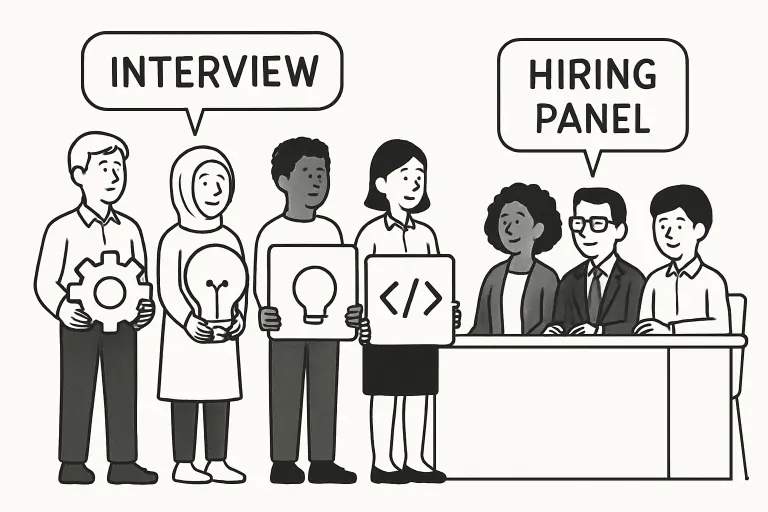
In today’s rapidly evolving employment landscape, companies are reevaluating how they identify and secure top talent. The growing focus on a structured interview process and rigorously defined frameworks is not only improving fairness but also equipping organizations for long-term success. By moving away from informal guesswork, structured hiring is playing a pivotal role in preparing businesses and their employees for the future.
As digital transformation continues to shape industries, leaders recognize that a methodical, skills-oriented approach to recruitment is key to staying competitive. Whether you’re a hiring manager, HR executive, or job seeker, understanding the shift towards structured hiring strategies is crucial for adapting to the demands of the modern workplace. This focus on consistency, transparency, and technology-driven solutions is rapidly becoming the gold standard for both candidate experience and organizational growth.
Understanding Structured Hiring
Structured hiring provides a roadmap for every step of the hiring process, starting with specific job descriptions, moving through standardized interview questions, and concluding with bias-mitigated evaluation criteria. Organizations that implement these frameworks benefit from better candidate experiences and more reliable outcomes. According to the Harvard Business Review, organizations that use structured processes fill positions 25% faster and experience considerably higher employee retention rates.
By clarifying expectations and requirements at every stage, structured hiring ensures assessments focus on the skills and traits genuinely relevant to job performance. This standardized approach not only levels the playing field for candidates but also reduces unconscious bias in decision-making, resulting in fairer and more consistent outcomes.
The Shift Towards Skills-Based Hiring
A sharper focus on demonstrable competencies is replacing the traditional emphasis on degrees and lengthy resumes. Analysis of UK job vacancies between 2018 and 2024 reveals that skill requirements—especially in tech fields like artificial intelligence—are now prioritized above formal education, with university degree requirements declining as much as 15% for emerging roles.
This transition is driving innovation and diversity by inviting candidates with unconventional backgrounds, including those from apprenticeships or self-taught expertise, to contribute meaningfully in high-demand sectors. Companies are finding that hiring based on applicable abilities, rather than pedigree, also leads to faster upskilling and better team performance. For a deeper dive into how skills-based hiring is redefining talent pipelines, see this recent analysis by McKinsey & Company.
Leveraging AI in Recruitment
Artificial intelligence is rapidly transforming talent acquisition workflows. Rather than sifting through thousands of resumes manually or relying on biased referrals, AI-powered platforms can efficiently filter applicants, recommend intense candidate matches, and automate interview scheduling. An example can be seen in Workday’s recent success, where intelligent algorithms enabled the placement of over 1,000 clinical candidates from talent databases in one year, reducing hiring manager decision time by 40%.
These advances enable recruiters to shift their focus from administrative tasks to strategic engagement with high-potential candidates, thereby improving both efficiency and the personal touch that is often lost in large-scale hiring. Moreover, as machine learning tools analyze workforce trends, companies can more accurately predict hiring needs and adjust their strategies to address emerging skills gaps.
Embracing Flexible Work Models
The explosion of remote and hybrid work has reshaped expectations for both employers and employees. Today’s job candidates often prioritize flexibility, autonomy, and work-life balance over traditional perks. In response, recruitment teams are screening for skills that translate well across virtual environments—such as self-direction, digital communication, and adaptability.
This reach for adaptable work arrangements doesn’t just support employee satisfaction; it also opens the door to global talent, breaking down geographic barriers of the past. According to experts at Forbes, companies that adopt flexible policies experience a measurable increase in both application rates and long-term employee retention across diverse skill sets.
Diversifying Talent Pools
When structured, unbiased evaluation criteria are used, hiring teams naturally increase the diversity of their applicant pools. This approach emphasizes what matters most—skills, relevant experience, and growth potential—rather than outdated proxies, such as top-tier alma maters or linear career paths. By doing so, companies become magnets for talent from historically underrepresented groups, ultimately enhancing creativity, innovation, and resilience across their teams.
DE&I-focused hiring processes, powered by structure and data, help remove many of the obstacles faced by individuals with non-standard backgrounds. These improvements are not only positive from an ethical perspective but also present significant business benefits, as companies with greater diversity outperform their peers in terms of profitability and problem-solving capacity.
Data-Driven Decision Making
Analytics and real-time data have become indispensable tools for recruiting teams. By tracking key metrics—such as source of hire, time to fill, and new hire performance—companies can refine their strategies to better align with both business objectives and workforce expectations. Data-driven insights enable easier anticipation of demand for new skills, identification of bottlenecks, and fine-tuning of training and development.
These advances are helping companies be proactive rather than reactive in their approach to workforce planning. The strategic use of data not only strengthens hiring outcomes but also fosters a culture of continuous improvement and learning, which is crucial for organizations seeking to remain agile in rapidly evolving industries.
Conclusion
The era of structured hiring has arrived. By committing to standardization, skills-first approaches, and the integration of technology and analytics, organizations are creating recruitment models that are both equitable and effective. These changes are not fads; they represent the foundation of resilient workplaces able to thrive as the demands on business and talent continue to accelerate.
Read more: Why Transparency Matters More Than Ever In Online Gambling Platforms
How To Choose The Perfect Wedding Dress For Your Body Shape
Mercier Hoodie Special Purchase Guide – Best Categories & Affordable Rates