
How to Choose the Right Commercial Loan for Your Business Expansion

Expanding a business is one of those exciting milestones that often feels like a mix of confidence, opportunity, and a healthy dose of fear. You’ve worked hard to build something real, and now you’re ready to take it further—maybe it’s a bigger space, better equipment, more inventory, or a new division altogether. To make that happen, many business owners turn to commercial loans. But choosing the right one? That’s where things can get tricky.
There are so many loan types, lenders, terms, and conditions that it can feel like you’re learning a new language overnight. But the good news is: you don’t have to be a finance expert to make a smart decision. With a clear understanding of your goals and a bit of preparation, you can confidently pick a commercial loan that supports your growth instead of becoming a burden.
In this guide, we’ll break down how to choose the right commercial loan for your expansion plans—using plain language, relatable examples, and practical steps you can apply right away.
Know Your Expansion Goals Before Looking at Loans
Before you dive into comparing loan products, it’s essential to know exactly why you’re expanding and what type of funding you need. Not all expansions cost the same or require the same structure.
Think of it like building a house. You wouldn’t start buying materials before the architect finalizes the plan. Business loans work the same way—you start with clarity.
Here are a few examples of different expansion goals and how they influence your financing choice:
1. Expanding to a Larger Location
A retail owner opening a second branch needs long-term funding because commercial property improvements and leases typically require a big upfront cost and years to repay. A term loan or commercial mortgage may be a suitable option.
2. Investing in New Equipment
A manufacturing business purchasing new machinery may benefit from equipment finance, where the asset itself serves as collateral for the loan. This often comes with lower upfront costs and manageable monthly repayments.
3. Boosting Inventory or Seasonal Stock
A wholesale business preparing for high-demand seasons might prefer a line of credit. This allows flexible access to funds when needed without committing to a large lump sum.
4. Hiring Staff or Expanding Services
A service-based company scaling its operations may need working capital loans to manage payroll, marketing, or renovation costs.
Clearly defining the purpose helps narrow your choices and prevents you from taking on a loan that doesn’t match your situation.
Understand the Different Types of Commercial Loans
Not all commercial loans are created equal. Each has unique benefits depending on your timeline, industry, and budget. Here are the most common ones explained in a simple way:
Term Loans
These are traditional loans where you borrow a lump sum and repay it over a fixed period. They’re ideal for large, long-term investments, such as property, machinery, or major renovations.
Lines of Credit
A line of credit functions more like a safety net. You only draw funds when you need them, and you pay interest only on what you use. This is ideal for managing cash flow or seasonal expansion.
Equipment Finance
With equipment loans, the asset you’re buying becomes the security. This makes approvals easier and reduces the pressure on your cash flow.
Commercial Property Loans
If your expansion involves buying or developing a building, this loan type offers longer repayment terms and competitive rates.
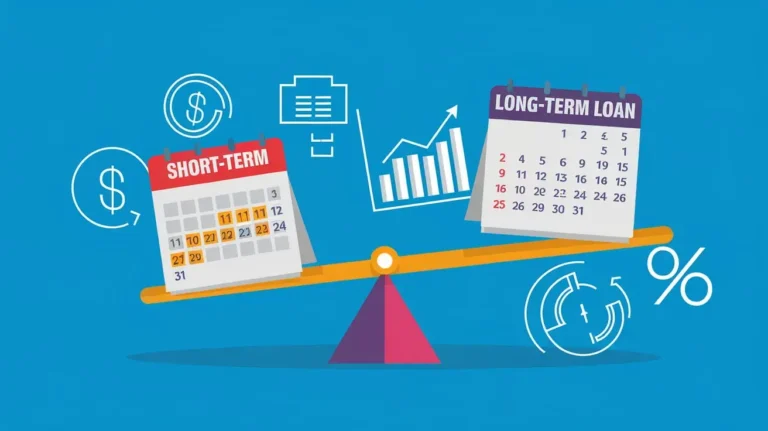
Short-Term Business Loans
These provide quick access to funds, often with shorter repayment periods. They’re ideal for urgent expansions but usually come with higher costs, so they should be approached with careful planning.
Understanding these options gives you confidence when comparing lenders or speaking with a broker. You won’t feel lost in jargon, and you’ll be able to steer the conversation toward what truly matters for your business.
Evaluate Your Financial Position Honestly
Once you understand what you need and the loan types available, the next step is to evaluate your business’s financial health. This isn’t just for the lender—it’s also for you.
A clear financial snapshot helps you avoid stretching your cash flow too thin or committing to a structure that doesn’t support long-term growth.
Here’s what to look at:
Cash Flow
Will your income comfortably cover loan repayments even during slower months? Many business owners make the mistake of planning repayments based on their best months instead of realistic averages.
Current Debts
If you’re already managing multiple obligations, consider whether consolidation or refinancing could put you in a stronger position before adding another loan.
Business Stability
Lenders assess your operational history, revenue trends, and ability to sustain growth. If you have strong contracts, long-term clients, or predictable income, highlight these.
Financial Documentation
Tax returns, bank statements, balance sheets and cash flow reports all play a role. Organized records expedite approvals and enhance your negotiation leverage.
A practical example:
A café owner planning to open a second location might review seasonal revenue dips—like slow months after holidays—to ensure repayments remain manageable year-round. This simple step can prevent future financial strain.
Compare Lenders and Loan Structures Carefully
Not all lenders offer the same terms, and even small differences can have a major impact on your financial future.
Here’s what to compare:
Interest Rates
Lower isn’t always better if it comes with rigid repayment schedules, fees, or slow approval times.
Repayment Terms
Choose a structure that aligns with your business cycles. A construction firm may prefer repayments aligned with project phases, while an online retailer might choose a structure tied to sales patterns.
Fees
Don’t overlook establishment fees, early repayment fees, or monthly charges.
Flexibility
Can you make extra repayments without penalty? Can the loan grow with your business if needed?
Support & Guidance
Some lenders or brokers offer dedicated specialists who help guide you through options. This can make a huge difference, especially for complex commercial lending scenarios.
If you want to explore flexible commercial financing options tailored to different industries and business goals, you can check this link for more information.
Use Professional Advice When Needed
Commercial loans can be complex, especially when your business has unique needs. A financial professional can help match the right loan structure to your goals and ensure you don’t overlook important details.
Professionals often analyze multiple loan products, negotiate better deals, and help you understand long-term implications—something that saves time and money in the long run.
For example, a property developer expanding into a mixed-use project might benefit from expert advice on zoning, valuation, and project-based financing. These details affect loan approval and cost, and having guidance significantly reduces stress.
And when you want to dive deeper into broader financial topics, such as capital investment, it can be helpful to understand how industries and economies evolve over time through reliable, authoritative sources.
Final Thoughts: Choose a Loan That Supports Your Growth, Not One That Holds You Back
Choosing the right commercial loan isn’t just about getting approved—it’s about setting your business up for long-term success. Take your time assessing your goals, your financial health, and the type of loan that aligns with your expansion plans. Compare your options carefully and don’t hesitate to seek professional advice.
With the right approach, a commercial loan becomes more than just funding—it becomes the foundation that helps your business reach its next milestone.
Also Read-Implementing Knowledge Management Software in Business Operations