

Steps To Take After Water Damage Strikes: A Guide for Houston Residents
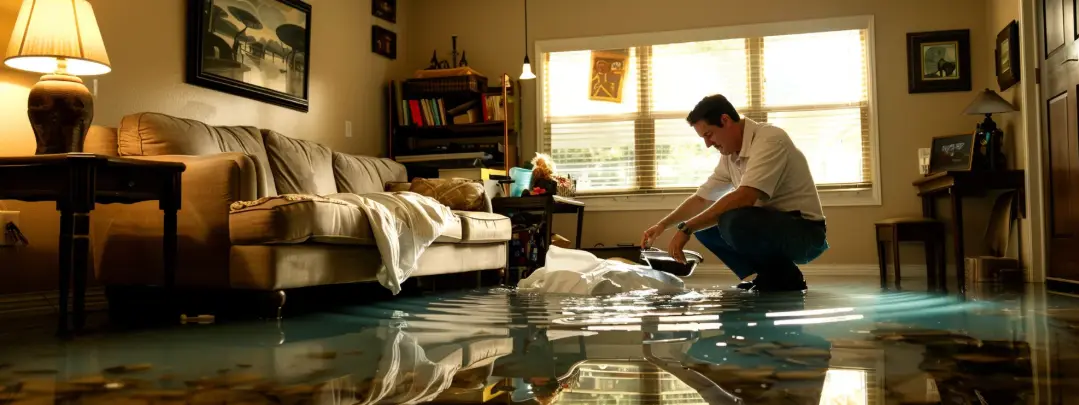
Water damage can strike quickly, leaving Houston homeowners grappling with a deluge of repair needs and restoration challenges. In 2017, Hurricane Harvey’s impact heightened recognition of Houston’s vulnerability to catastrophic flooding, prompting greater awareness of effective response strategies. Houston residents now face the reality that water damage can occur beyond natural disasters, making preparation more important than ever.
Understanding the right steps to take immediately after water incursion can mitigate risks and facilitate a smoother recovery. Below, you’ll find a structured approach to handling water damage that emphasizes safety, restoration, and prevention.
Assessing Water Damage in Your Houston Home
An initial assessment is critical to determine the scope of water damage in your home. Homeowners should look for visible signs of moisture penetration, such as water marks on walls, swelling in woodwork, and the presence of mold or mildew. This initial inspection helps prioritize areas for immediate attention.
Documenting damage is essential not only for insurance purposes but also for restoration professionals to design an effective recovery plan. Take photos or videos and make a list of all the damaged items and structural issues. Make sure to document the date and time, as they can be pivotal during the insurance claim process.
Actionable guidance: contact your insurance company as soon as possible to report the damage. They can advise on policy coverage specifics and the claims procedure. In the meantime, start protecting undamaged property by moving items to dry areas and covering them with plastic sheets if possible.
Safety Precautions During Water Damage Cleanup
Before embarking on any cleanup, safety should be your foremost concern. Water damage can lead to electrical hazards, structural weaknesses, and exposure to harmful contaminants. To prevent accidents, inspect your home for immediate hazards and shut off electrical power to affected areas.
Wearing protective gear such as gloves, boots, and a mask is essential, especially if the water damage is from a gray or black water source, which may contain sewage or chemicals. If there are any doubts about water safety or structural integrity, wait for a professional assessment before proceeding.
As a practical step, homeowners may begin removing excess water with mops and buckets if it is safe to do so. However, for significant water damage, especially when the water is contaminated, it is often safer and more effective to hire professional water damage restoration Houston.
Professional Water Damage Restoration Services in Houston
After some measures are taken to mitigate damage, it’s vital to solicit professional assistance. Specialist water damage restoration companies bring industry-grade equipment, expertise, and swift response that are indispensable in returning your home to a safe, livable condition.
Experienced technicians provide services such as water extraction, structural drying, dehumidification, and sanitization. A reputable water damage restoration provider in Houston should offer a prompt response, clear communication about the scope of work, and a detailed breakdown of restoration costs.
When choosing a restoration service provider, inquire about their certifications and request references. Certification from the Institute of Inspection, Cleaning, and Restoration (IICRC) is particularly noteworthy, as it demonstrates adherence to widely accepted industry standards and practices.
Preventing Future Water Damage in Houston Residences

To prevent future water damage, Houston homeowners should adopt proactive measures. Regular maintenance of plumbing systems, roof inspections, and gutter cleaning can significantly reduce the risk of water intrusion.
Additional strategies include installing water-detection devices to alert you to leaks early, and creating landscaping barriers and sealing to prevent water intrusion during heavy rains. Also, consider consulting a flood-mitigation specialist if your property is in a high-risk area.
Prevention efforts include maintaining an emergency plan that includes knowing the fastest ways to shut off water and power, understanding your insurance coverage, and keeping a list of reputable emergency service providers on hand. Regular reviews and updates to this plan can make all the difference when faced with water damage.
The steps you take after water damage can significantly affect the outcome of your Houston home’s recovery. Prompt assessment, taking necessary safety precautions, using professional restoration services, and implementing preventive measures are key to managing the aftermath effectively. As residents of a city prone to flooding, we prioritize preparedness.
Also Read-Van Life Essentials for Reliable Power on the Road