
The Cognitive and Social Benefits of Solving Puzzles Regularly
The simple act of solving a puzzle delivers more than just a fleeting moment of triumph. Whether it’s the tactile satisfaction of fitting the last piece into a jigsaw or deciphering a challenging crossword clue, puzzles work wonders on our mental processes. If you’re interested in exploring a variety of puzzles to challenge your brain, click here to discover a vast assortment.
Puzzles provide a dynamic blend of entertainment and intellectual growth, making them invaluable for children, adults, and seniors alike. Scientific studies continue to show that regularly engaging in puzzles helps maintain memory, boost reasoning abilities, and even stave off cognitive decline. The mental engagement these activities offer is matched by their ability to offer focused downtime, where daily worries melt away in favor of immersing oneself in problem-solving.
In addition to their cognitive advantages, puzzles also support emotional well-being and foster social connections. Tackling a puzzle can promote a calming mental state similar to meditation, which can be transformative in our increasingly fast-paced world. In group settings, puzzles often become a focal point for communication and teamwork. This social aspect is one reason families, friends, and even coworkers are turning to puzzles as a means of strengthening bonds and building trust through collaborative problem-solving.
Cognitive Benefits of Puzzles
Regularly engaging in puzzles such as crosswords, Sudoku, and jigsaws is a proven way to keep the brain in peak condition. These activities require concentration, logic, and memory recall, all of which foster the development of new neural connections. Crosswords, for example, exercise verbal memory and pattern recognition, while Sudoku strengthens logical reasoning. According to National Geographic, individuals who frequently engage in puzzles have better cognitive skills and experience slower memory decline as they age.
Puzzles challenge the mind by prompting solvers to employ creative thinking and persistent problem-solving. Research from Harvard Health highlights that these mentally stimulating activities help the brain build resilience against age-related conditions, such as dementia and Alzheimer’s disease. The continued use of memory, deduction, and visualization involved in puzzling keeps minds active and agile throughout life.
Stress Relief and Mental Wellness
Beyond their cognitive benefits, puzzles have a remarkable ability to soothe the mind. The act of focusing on fitting the right piece or solving the right clue helps distract from everyday stressors. Even just a few minutes devoted to puzzling can reduce anxiety and trigger a meditative state. Concentrating on a single task at a time shifts attention away from negative thoughts and can result in lower cortisol levels, as noted by SSM Health.
Engaging in these mindful activities provides a break from screen time and digital overload, further contributing to emotional balance and greater satisfaction. In our modern world, where burnout and fatigue are prevalent, puzzles provide a simple and accessible method for nurturing mental wellness.
Social Connections Through Puzzling
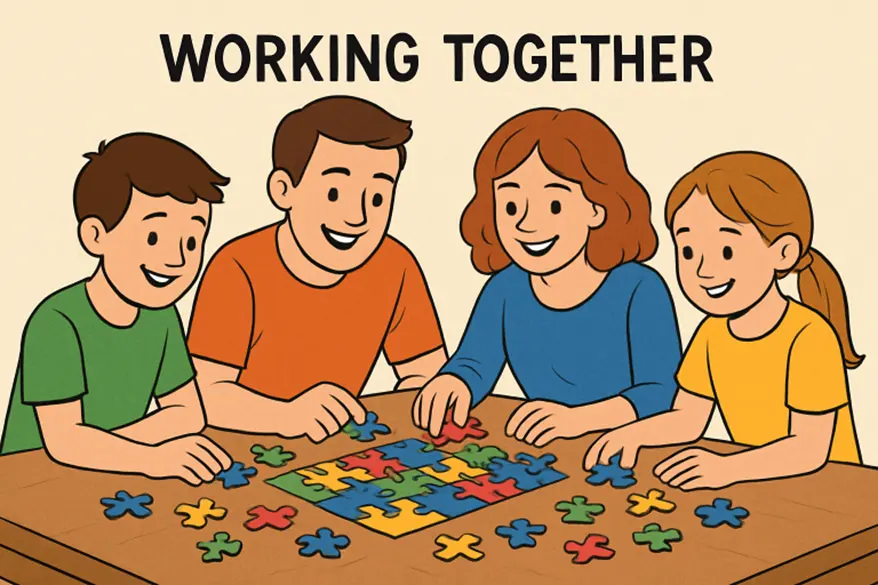
Puzzles are not just a solitary activity, as they can serve as the perfect catalyst for social connection. Whether it’s a family gathered around a table in the evening or coworkers tackling a logic challenge together, puzzling naturally encourages communication and teamwork. The collaborative process of solving a puzzle helps develop trust and fosters a spirit of cooperation, turning even routine gatherings into memorable bonding experiences.
According to studies covered by The New York Times, social activities such as group puzzling boost overall brain health and emotional well-being. These shared moments can be especially important for children developing social skills or for seniors looking to stay connected during retirement.
Building Shared Achievements
Finishing a challenging puzzle as a group brings a unique sense of achievement and amplifies the satisfaction by sharing success. This shared accomplishment can strengthen bonds within families, friendships, and even professional teams, providing a simple way to create lasting memories and foster enduring connections.
Puzzles Across Different Age Groups
One of the most exciting things about puzzles is their universal appeal. For young children, puzzles sharpen fine motor skills, hand-eye coordination, and shape recognition. As children grow, more complex puzzles introduce lessons in patience, spatial reasoning, and pattern identification, laying the foundation for advanced problem-solving capabilities later in life. For adults, puzzles help sustain mental agility and promote lifelong learning. Regular participation can delay cognitive aging and promote sharper memory. Seniors, in particular, may benefit from engaging in puzzles, as these activities are associated with a slower decline in brain function and may help reduce the risk of Alzheimer’s or other forms of dementia. By tailoring puzzle complexity and format to different life stages, people of all ages can incorporate puzzling into their routine, reaping benefits suited to their developmental needs.
Incorporating Puzzles into Daily Life
Adding puzzles to daily routines doesn’t require drastic changes. Start by designating time each day for a crossword or Sudoku. Keep a jigsaw puzzle in a common area to encourage participation from family and friends, or integrate online puzzle games for convenient problem-solving during breaks. Over time, these small habits can accumulate to yield significant cognitive and emotional benefits. Puzzles also make excellent additions to classrooms, therapy settings, and the workplace, providing an enjoyable and beneficial activity that suits every environment. With their versatility and accessibility, puzzles are easy to adopt as a regular practice, promoting mental, emotional, and social health. In summary, puzzles offer a multifaceted path to improved brain health, reduced stress, and stronger social connections. By integrating these versatile activities into everyday life, people of all ages can cultivate sharper minds, deeper relationships, and a greater sense of well-being.
Also Read
- Recruitment Website Builder: obviously, Build Smarter Hiring Platforms
- From Big Tech to Big Freedom: The Future of Secure Browsing
- Glow Up Your Sense of Humor: Why Custom Neon Signs Are Comedy Gold