
The ‘Ghost’ of the Pimple: Why Does Your Skin Remember Trauma Long After It Heals?
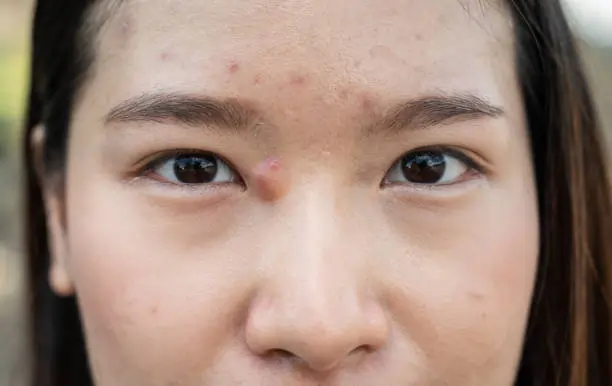
There is a cruel irony in the lifecycle of a breakout. You spend a week fighting the active pimple—applying patches, resisting the urge to pop, and waiting for the inflammation to subside. Finally, the bump flattens. The pain stops. You declare victory.
But as the redness fades, it is replaced by something more stubborn: a flat, brown or purplish mark that refuses to leave.
This is the “ghost” of the acne past. In dermatology, it is known as Post-Inflammatory Hyperpigmentation (PIH). For many people—especially those with olive, brown, or Black skin (Fitzpatrick types III-VI)—these ghosts are far more distressing than the acne itself. A pimple lasts for days; the ghost can haunt you for months.
To banish these shadows, we must first understand why the skin creates them. It turns out, your skin isn’t trying to punish you; it’s trying to protect you.
The Biological Panic Button
Deep within the epidermis, at the base layer of your skin, live cells called melanocytes. These are the artists of the skin, responsible for producing melanin, the pigment that gives your skin its color.
Melanocytes are incredibly sensitive. Their primary job is to protect the skin’s DNA from radiation (sunlight). However, they are also easily triggered by inflammation.
When you have a pimple, insect bite, or scratch, your body launches an immune response. White blood cells rush to the scene to fight bacteria and repair the wound. This battle creates inflammation—swelling, redness, and heat.
Chemical messengers called cytokines and chemokines are released during this battle. These chemical signals inadvertently hit the “panic button” on the nearby melanocytes. The melanocytes perceive the inflammation as a threat. In a misguided attempt to defend the area, they go into overdrive, pumping out excess melanin granules (melanosomes) into the surrounding skin cells.
Essentially, your skin creates a tiny “tan” right where the injury occurred. Even after the wound heals, that packet of excess pigment remains trapped in the skin cells, creating the dark spot.
The “Squeeze” Factor
While PIH can happen naturally, its severity is often dictated by human behavior. The single biggest accelerator of dark spots is physical trauma—specifically, picking and squeezing.
When you squeeze a pimple, you are not just pushing pus out; you are rupturing the follicle wall underneath the surface. This explosion spreads the inflammation deeper into the dermis.
- Epidermal PIH (surface level) is brown or tan and tends to fade relatively quickly with exfoliation.
- Dermal PIH (deep level) is grey or slate-blue. This happens when the inflammation disrupts the basement membrane, causing pigment to leak down into the deeper dermis. These spots are incredibly stubborn because the pigment is trapped where topical treatments struggle to reach. By squeezing, you are essentially burying the ghost deeper in the graveyard.
The Tyrosinase Engine
Treating these spots requires a strategy that targets the engine of pigment production: an enzyme called tyrosinase.
Tyrosinase is the key that starts the melanin factory. Without it, the melanocyte cannot produce pigment. The most effective way to fade a dark spot is to introduce a “Tyrosinase Inhibitor.” These are ingredients that jam the keyhole, preventing the enzyme from working.
Common inhibitors include:
- Vitamin C: Also brightens existing pigment.
- Kojic Acid: Derived from fungi.
- Azelaic Acid: Excellent for acne-prone skin as it also kills bacteria.
- Licorice Root Extract: A gentle, natural inhibitor.
- Tranexamic Acid: A newer powerhouse that also calms the vascular (redness) component.
The goal is to put the melanocytes to sleep. You want to calm the inflammation so the panic signal stops, and simultaneously block the enzyme so no new pigment is made.
The Patience of Repair
The “ghost” will eventually fade on its own, but the timeline is slow. Skin cells turn over roughly every 28 days. To fade a deep spot, you need several cycles of turnover to shed the stained cells and bring fresh, unpigmented cells to the surface.
This is why “overnight” cures are a myth. You are fighting biology. However, you can accelerate the process. Chemical exfoliants (like Glycolic or Lactic Acid) speed up the shedding of the stained surface cells. Retinoids increase the rate of cell turnover from the bottom up.
When you combine an exfoliant (to shed the old) with a tyrosinase inhibitor (to stop the new), you sandwich the problem.
The Ultimate Shield
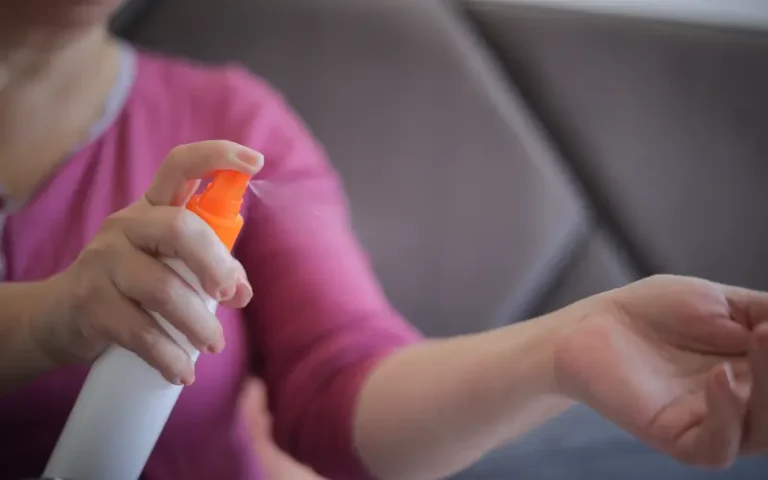
However, all of this effort is wasted if you skip one step: Sunscreen.
Remember, the melanocyte’s main job is sun protection. If UV light hits that healing dark spot, the melanocyte wakes up instantly. It says, “We are under attack again!” and pumps out more pigment. A single day of unprotected sun exposure can undo months of fading progress.
The ghost of the pimple is a reminder of the skin’s complexity. It is a scar of defense. By understanding the biology of the “panic button,” we can treat these marks with patience and science, using a targeted dark spot lightening cream not as a bleach, but as a signal to the skin that the war is over, and it is safe to return to its natural tone.
Read more: How Structured Hiring Is Shaping Tomorrow’s Workforce
Why Transparency Matters More Than Ever In Online Gambling Platforms
How To Choose The Perfect Wedding Dress For Your Body Shape