

Vacuum Sealing Secrets for Fresher Food
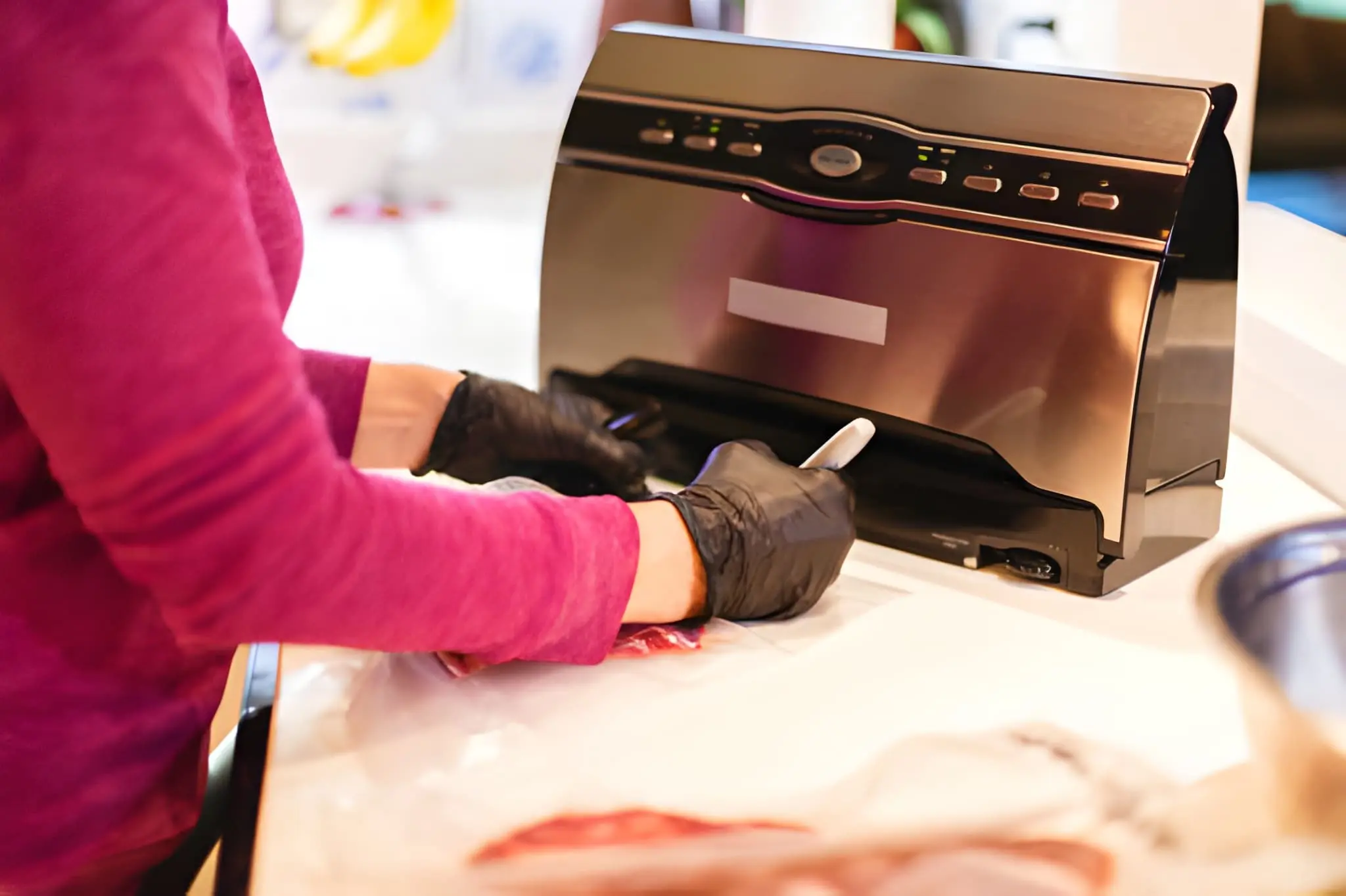
Discover how vacuum sealing transforms food storage, enhances freshness, and helps you save money in the long run. By efficiently removing air from food containers, vacuum sealing extends the shelf life of countless foods, limits spoilage, and preserves key flavors and nutrients. Whether you’re an experienced home chef or just looking for ways to streamline your kitchen routine, these expert tips will help you make the most of your vacuum sealer bags and appliances. Utilizing this method not only simplifies meal prep but also means fewer trips to the supermarket and less food waste in your household.
Vacuum sealing’s popularity comes from its versatility: you can maintain the quality of everything from leftovers to bulk grocery hauls with minimal effort. However, to truly unlock its benefits, it’s essential to understand the right tools, techniques, and foods suitable for vacuum sealing. With just a handful of best practices, you’ll be enjoying fresher, better-tasting meals day after day.
Choosing the Right Vacuum Sealer
Selecting the appropriate vacuum sealer for your needs is the first step to success. Some models are simple, manual systems ideal for occasional use and small items, while others feature advanced settings specifically designed for liquids, delicate items, or frequent sealing. Choose a vacuum sealer with adjustable sealing intensities if you often work with various food textures or plan to seal liquids such as soups or stews.
Preparing Foods for Vacuum Sealing
Proper preparation improves vacuum sealing efficiency, quality, and safety. For soft foods or anything with liquid (such as stews, berries, or sauces), it’s a great practice to flash-freeze them first. Briefly freezing these items prevents liquids from clogging your machine and helps maintain texture and structure. When working with vegetables, blanching is essential: it halts enzymatic activity that causes spoilage, thereby preserving the vibrant and nutrient-rich qualities of the food.
- Pre-freezing: Keeps soups, sauces, and delicate fruits intact during the vacuum process.
- Blanching: Locks in color and nutrients for vegetables like carrots, peas, and green beans.
- Portioning: Divvy up meats, produce, or snacks into meal-ready packs for easy thawing, serving, and reducing waste.
Best Practices for Sealing
Simple habits make a major difference in how well your vacuum-sealed foods last:
- Leave 3-4 inches of space: This buffer prevents food from affecting the seal and gives you enough room to trim a failed seal and try again if needed.
- Avoid overfilling: Overpacked bags result in poor airflow during sealing and can lead to leaks, poor vacuum, or punctures.
- Use the right materials: Specialized vacuum sealer bags are far more durable and effective than regular plastic storage bags, featuring strong seams designed to withstand suction and heat sealing.
Storing Vacuum-Sealed Foods
Once you’ve successfully sealed your goods, maximized shelf life depends on proper storage. Perishable items—such as meats, dairy products, or cut fruits and vegetables—should always be refrigerated or frozen, even when packaged in vacuum-sealed containers. Shelf-stable foods, such as dried beans, grains, or cured meats, can be stored in a cool, dark area. Don’t forget to clearly label everything with the packaging date and contents. This reduces the chances of food expiring unnoticed and supports a first-in, first-out inventory system at home.
Foods to Avoid Vacuum Sealing
Some foods are not vacuum-seal friendly:
- Soft cheeses: Such as brie, ricotta, and fresh mozzarella, tend to misshape and spoil more quickly due to their high moisture content.
- Cruciferous vegetables: Such as broccoli and cauliflower, release gas even after sealing, which can cause bags to puff up and lead to spoilage.
- Raw mushrooms and garlic: Their biological activity in low-oxygen conditions can harbor bacteria that pose health risks. Always use caution or refer to food safety guidelines when considering if an item should be vacuum sealed.
Troubleshooting Common Issues
If your vacuum sealer seems to underperform or seals fail, these are typically the most frequent causes:
- Poor seals: Food debris, moisture, or grease at the bag’s opening can interfere. Wipe the area dry and flat every time.
- Vacuum loss: Damaged gaskets or heat strips are common culprits. Refer to your product manual for instructions on routine maintenance and replacement of parts.
- Bags puncturing: Sharp bones or shells can poke holes. To prevent this, pre-wrap jagged items in parchment paper or freezer paper before placing them in the bag.
Environmental Considerations
Vacuum sealing significantly reduces kitchen waste, but disposable bags may cause long-term environmental issues. To lower your carbon footprint, try reusable vacuum sealer bags or sturdy containers, which are now common and just as effective as single-use options. Many new products provide eco-friendly alternatives that are simple to clean and maintain.
Conclusion
Vacuum sealing is a practical and efficient way to extend food freshness, reduce waste, and simplify meal planning when done correctly. By selecting the right equipment, preparing food properly, and adhering to smart sealing and storage practices, you can optimize both food quality and savings. With mindful use and eco-conscious options, vacuum sealing becomes a sustainable habit that benefits your kitchen and the environment.
Also Read-Gradding Introduces AI-Powered IELTS Practice Tech for Smarter Preparation