
Want To Buy Car Insurance Without Using a Credit Card? Here’s How People Are Doing It
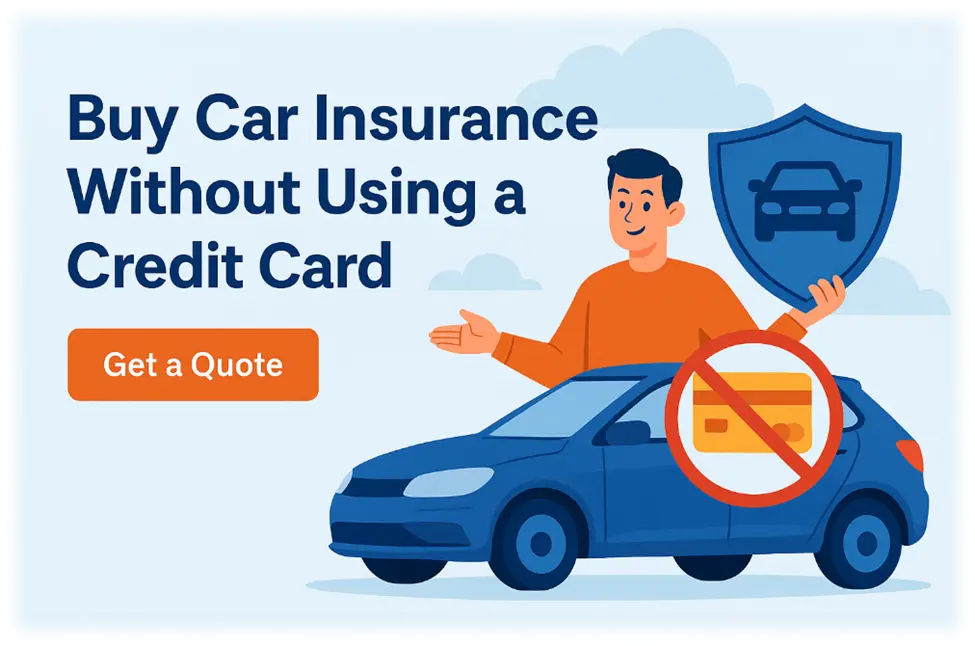
Not having a credit card shouldn’t stop you from getting legal, active auto insurance. A lot of drivers prefer paying directly from a bank account, using a debit card, or handling payments in person. The key is knowing which payment options are typically available, what information insurers ask for, and how to avoid delays when you need proof of coverage quickly.
Below is a practical, real-world guide to buying car insurance without a credit card, including the most common payment methods and what to watch for when choosing each one.
How To Buy Car Insurance Without a Credit Card
If you want to skip credit cards, the process is still straightforward. You’ll generally move through the same steps as any other buyer—get quotes, choose coverage, and pay—just with a different payment method.
1) Gather the information insurers will ask for
Having your details ready makes the quoting and payment process much faster. Most insurers will request:
- Your driver’s license (and date of birth)
- Your address, phone number, and email
- Basic employment or residency info (varies by insurer)
- Vehicle details: year, make, model, VIN, and approximate mileage
- Driving history basics: recent accidents, tickets, or lapses (if any)
2) Decide what coverage you actually need
Start with your state’s minimum requirements (usually liability). Then decide whether you need extra protection based on your situation:
- Liability: Covers injuries and damage you cause to others.
- Collision: Helps pay for repairs to your car after an accident.
- Comprehensive: Covers theft, vandalism, weather damage, and other non-collision events.
- Uninsured/underinsured motorist: Helps if the other driver can’t fully pay.
- Roadside/rental: Optional add-ons for convenience.
If you finance or lease your vehicle, your lender may require collision and comprehensive coverage. If you own your car outright, you may choose a lower-cost setup depending on value and risk tolerance.
3) Choose a non-credit payment option that matches your timeline
Different payment methods can affect how quickly your payment posts and how fast you get proof of insurance. If you need coverage immediately, prioritize options that confirm payment quickly (like debit or approved bank-account payments when available). If you want a fun analogy for the “shopping + comparing” part of this process, this Fortnite-style breakdown of buying car insurance online explains the decision-making in a surprisingly relatable way.
Payment Options That Don’t Require a Credit Card
Most drivers who don’t use credit cards pay in one of the following ways. Availability depends on the insurer and whether you’re buying online, by phone, or at a local office.
Debit card
Debit cards are one of the easiest alternatives because they usually work the same way a credit card does at checkout—except the money is pulled from your bank account. For many insurers, debit payments post quickly, which helps when you need proof of insurance right away.
Electronic funds transfer (EFT/ACH) from a bank account
EFT (often called ACH) lets you pay directly from a bank account. Many companies allow ACH for monthly installments, and some allow it at purchase as well. After you authorize it, the insurer pulls premiums from your account on a schedule you select.
This option can be great if you want consistency and fewer missed payments. Just make sure your account has enough funds on the withdrawal date to avoid returned-payment fees or policy disruption.
Paying in person (cash or in-office payment)
If you prefer face-to-face service, some insurance offices accept in-person payments. This is often a good option for drivers who want a printed receipt immediately or who don’t want to enter payment information online.
Tip: Call the office first to confirm what they accept and what documentation you should bring (policy number, ID, and payment amount).
Money order or cashier’s check
Money orders and cashier’s checks can work well if you don’t use online banking or want a paper trail. You typically purchase these from banks, credit unions, post offices, or some retail locations, then submit the payment with your policy details.
If you mail payments, build in extra time so your premium posts before a due date.
Tips To Make the Process Faster and Easier
- Have your details ready: Driver info + VIN + address speeds everything up.
- Ask about posting time: Some payment methods confirm instantly; others take longer.
- Confirm installment eligibility: Some insurers allow ACH installments; others may require full pay for certain methods.
- Keep receipts: Especially for cash, money orders, and mailed payments.
Pros and Cons of Buying Insurance Without a Credit Card
| Pros | Cons |
| No need to rely on credit card access to get insured. | Some payment methods can take longer to post (especially mailed payments). |
| Debit and ACH help keep spending tied to real account balances. | Returned ACH payments may cause fees or payment interruptions. |
| In-person options can provide immediate receipts. | In-person payments require travel and may be less convenient. |
| Money orders/cashier’s checks provide a paper trail without card use. | Money orders/cashier’s checks may have small purchase fees. |
| More flexibility for drivers who prefer non-credit payments. | Not every insurer supports every method for installment plans. |
Conclusion
Buying car insurance without a credit card is absolutely doable. Debit cards, ACH/EFT from a bank account, in-person payments, and money orders are all common paths—your best option depends on how quickly you need coverage and what feels simplest for you.
If speed matters, debit or approved bank-account payments tend to be the smoothest. If you prefer in-person confirmation, local offices and paper-based payments can work well too—just plan for processing time and keep documentation for your records.
Also Read-Financial Health Strategies for Busy Healthcare Professionals