
Why Regular Transmission Maintenance is Essential
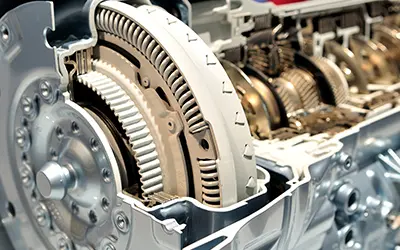
The engine may be the heart of your vehicle, but the transmission is its nervous system. This complex piece of machinery is responsible for translating the engine’s power into motion, allowing your wheels to turn at the right speed. It is one of the hardest-working components in your car, yet it is often one of the most neglected. Many drivers wait until they hear a strange noise or feel a jolt before giving it any attention.
Ignoring your transmission is a costly mistake. Regular maintenance is not just a suggestion found in your owner’s manual; it is a critical practice that ensures the longevity, performance, and safety of your vehicle. This guide will explain why proactive transmission care is essential and how it can save you from expensive repairs down the road.
The Role of Transmission Fluid
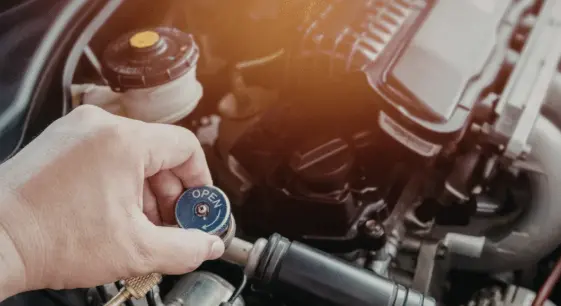
Transmission fluid is the lifeblood of the system. It serves multiple crucial functions. It lubricates the many moving parts to reduce friction and wear, it cools the unit to prevent overheating, and it provides the hydraulic pressure needed to shift gears.
Over time, this fluid degrades. It becomes contaminated with tiny metal shavings and other debris from normal wear and tear. Heat from operation also breaks down its chemical properties, reducing its ability to lubricate and cool effectively. When the fluid is old and dirty, it can lead to shifting problems, overheating, and eventually, catastrophic failure of the entire system.
Common Signs of Transmission Trouble
Your vehicle will often give you warning signs when the transmission is struggling. Learning to recognize these symptoms allows you to seek professional help before minor issues become major disasters.
Shifting Problems
One of the most obvious signs is difficulty with shifting gears. You might experience a noticeable delay when moving from park to drive. In an automatic transmission, you could feel a harsh clunk or jolt during shifts. For manual transmissions, you may find it difficult to get the car into gear, or the clutch might feel like it is slipping.
Strange Noises and Smells
Healthy transmissions operate quietly. Whining, clunking, or humming sounds from under your car are a red flag. These noises often indicate worn internal components. Another warning sign is a burning smell. This usually points to overheating fluid, which is a serious problem that requires immediate attention.
Fluid Leaks
If you see a puddle of bright red or dark brown fluid on your driveway, you likely have a transmission leak. Low fluid levels can quickly cause severe damage due to a lack of lubrication and hydraulic pressure.
The Benefits of Proactive Maintenance
Regular service prevents the problems listed above and provides several key benefits.
Enhanced Performance and Longevity
Clean fluid and a well-maintained system ensure smooth, responsive gear shifts. This improves the overall driving experience. More importantly, it significantly extends the life of your transmission. A transmission that is properly cared for can last for hundreds of thousands of miles, while a neglected one may fail prematurely.
Improved Fuel Efficiency
When a transmission is struggling, it forces the engine to work harder to transfer power to the wheels. This extra effort consumes more fuel. A healthy, efficient transmission helps you get the most out of every gallon of gas, saving you money at the pump.
Cost Savings
The cost of a transmission fluid change or a minor adjustment is a small fraction of what it costs to rebuild or replace the entire unit. A full transmission replacement can be one of the most expensive repairs a car owner will ever face. Proactive maintenance is a smart financial investment that prevents these massive, unexpected expenses. For drivers in the Intermountain West, finding a reliable transmission shop in Salt Lake City to perform regular checks can be the difference between a small service bill and a major financial burden.
What Does Maintenance Involve?
Transmission service typically involves checking the fluid level and condition, replacing the fluid and filter at manufacturer-recommended intervals, and inspecting for leaks. A technician will also check for any diagnostic trouble codes that could indicate an electronic issue. This simple, periodic checkup allows experts to catch potential problems early.
Do not wait for a warning light to appear on your dashboard. Consult your vehicle’s owner manual for the recommended service schedule and stick to it. By treating your transmission with the care it deserves, you protect your investment, ensure your safety, and enjoy a smoother ride for years to come.
Also Read-Gradding Introduces AI-Powered IELTS Practice Tech for Smarter Preparation