
Why Volvo Trucks Need Extra Attention in Late Winter | Winter Wear Points
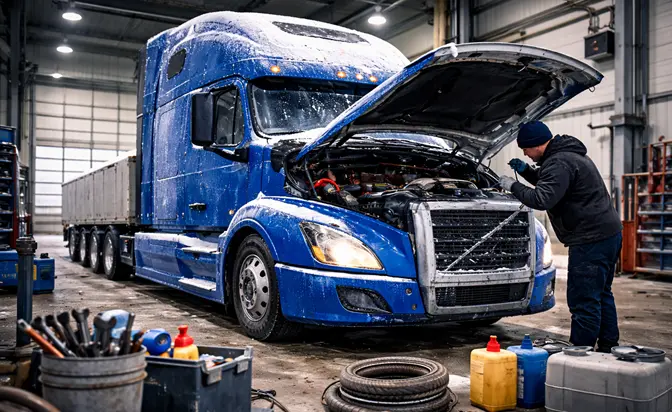
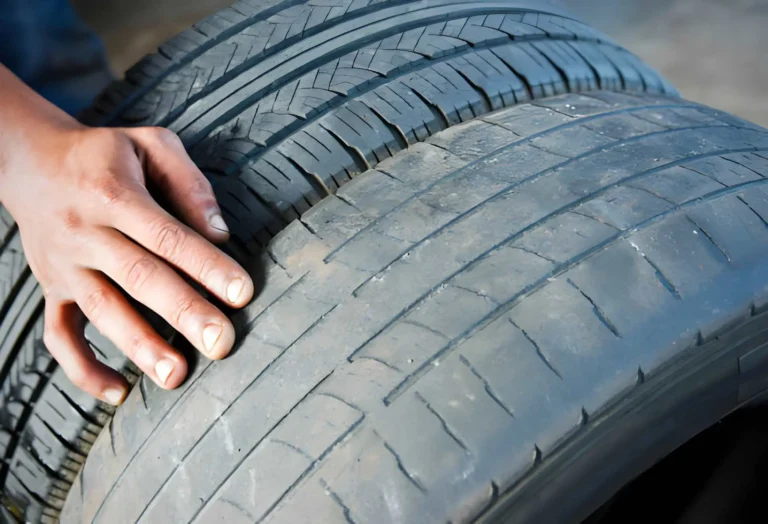
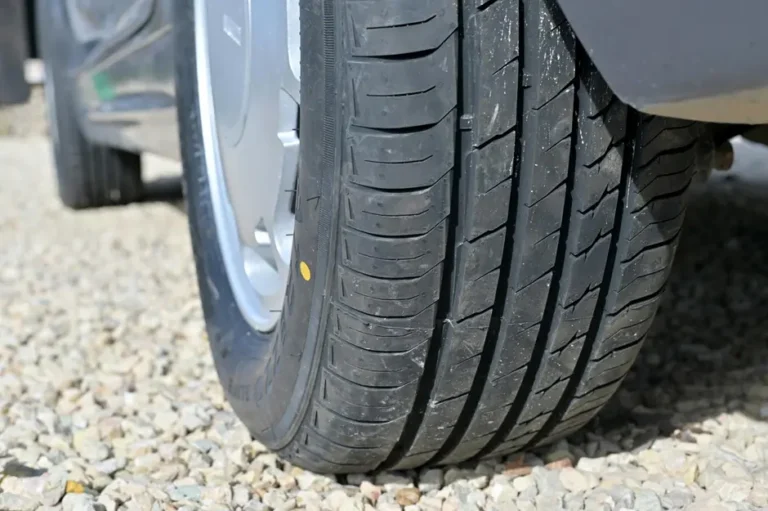
Late winter is when winter damage finally shows itself — and for Volvo truck owners, this is often the most expensive part of the season. Weeks of cold starts, road salt, snow buildup, and long overnight routes quietly stress critical systems long before anything fails.
Why Volvo Trucks Need Extra Attention in Late Winter: Winter Wear Points Drivers Miss
Many drivers assume that if a truck made it through the holidays, it’s in the clear. In reality, late winter is when accumulated wear from earlier winter hauling turns into sudden breakdowns.
Important note:
QSC Truck Parts sells aftermarket Volvo truck parts only.
No OEM or genuine Volvo parts are offered.
This guide explains why Volvo trucks need extra attention in late winter, which wear points drivers commonly miss, and how dependable aftermarket replacements — including front-end protection — help keep trucks running through the harshest remaining winter routes.
Quick Answer: Why Do Volvo Trucks Break Down More Often in Late Winter?
Volvo trucks break down more often in late winter because prolonged cold exposes worn cooling components, electrical weaknesses, suspension air leaks, headlight moisture issues, and front-end damage that developed earlier in the season. Proactive inspections and reliable aftermarket Volvo truck parts help prevent these mid-winter failures.
Cooling System Weak Points Exposed by Prolonged Cold
Cold weather doesn’t reduce cooling system stress — it reveals it.
Late winter inspections should focus on:
- Brittle or cracking coolant hoses
- Thermostats sticking open or closed
- Minor radiator seepage
- Coolant concentration no longer providing full freeze protection
Cooling system failures are among the most common late-winter issues on Volvo platforms, especially after repeated cold starts and heavy winter hauling.
Electrical Systems and Cold-Weather Voltage Loss
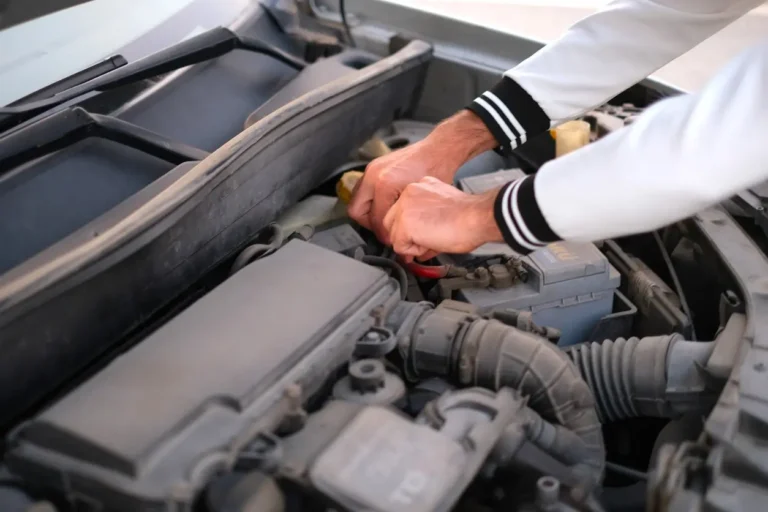
Volvo trucks rely heavily on electrical systems, and weeks of freezing temperatures punish weak connections.
Late-winter electrical checks should include:
- Battery voltage and terminal corrosion
- Ground straps
- Alternator output
- Wiring connections near lighting and sensors
Electrical issues are a leading cause of unexpected winter breakdowns, even when the engine itself still runs strong.
Headlights and Visibility Issues Drivers Overlook
Visibility problems rarely begin in late winter — they surface in late winter.
Inspect Volvo truck parts related to lighting for:
- Moisture or condensation inside headlight housings
- Dimming or uneven beam patterns
- Cracked lenses or loose mounts
Aftermarket headlight assemblies are among the most commonly replaced Volvo components during winter because reduced visibility dramatically increases risk during long night routes and poor weather conditions.
Volvo VNL Bumper Wear From Winter Debris and Road Salt
Front-end damage is one of the most overlooked late-winter problems on Volvo VNL trucks. Ice chunks, frozen road debris, road salt, and wildlife encounters all concentrate impact stress at the bumper.
Inspect your Volvo VNL bumper for:
- Hairline cracks or corrosion
- Bent mounting brackets
- Loose attachment points
- Misalignment that affects headlight aim
A weakened bumper doesn’t just affect appearance. It compromises front-end protection and can indirectly reduce lighting effectiveness during winter night driving.
Suspension Air Leaks That Appear Late in the Season
Air suspension issues often stay hidden until temperatures remain consistently below freezing.
Late-winter suspension checks should include:
- Air bags for micro-cracks
- Height control valves
- Shock absorbers
- Mounting hardware
Suspension air leaks are one of the most overlooked winter wear points on Volvo trucks and one of the most common causes of roadside issues late in the season.
Air System Moisture and Brake-Related Issues
Moisture buildup in air systems becomes dangerous as freezing conditions persist.
Late-winter checks should include:
- Draining air tanks
- Inspecting air dryers
- Watching for frozen lines
- Monitoring brake warning indicators
Frozen air systems can immobilize a truck without warning, especially during overnight runs.
Why Aftermarket Volvo Truck Parts Matter in Late Winter
Late-winter breakdowns don’t wait for dealership backorders.
Aftermarket Volvo truck parts, including reinforced Volvo VNL bumpers, offer:
- Faster availability during winter emergencies
- Lower cost than OEM replacements
- Direct-fit compatibility
- Proven performance in harsh winter conditions
This makes aftermarket solutions the practical choice when uptime matters most and winter isn’t finished yet.
Frequently Asked Questions About Volvo Winter Wear
Why do Volvo trucks need extra inspections in late winter?
Because winter stress accumulates earlier in the season and becomes visible after weeks of sustained freezing conditions.
What Volvo parts fail most often in late winter?
Cooling components, batteries, headlights, suspension air bags, electrical connections, and front-end components like bumpers.
Does QSC Truck Parts sell OEM Volvo parts?
No. QSC Truck Parts sells aftermarket Volvo truck parts only.
Should I inspect my truck even if it’s running fine?
Yes. Many late-winter failures happen without warning and are often preventable with proactive inspections.
Conclusion
Late winter is when winter stops being forgiving. For Volvo truck owners, the damage caused by cold starts, road salt, heavy loads, and long nights often doesn’t surface until now.
By inspecting overlooked wear points — cooling systems, electrical connections, suspension components, headlights, and the Volvo VNL bumper — and replacing weak components with dependable Volvo truck parts, drivers reduce downtime and avoid costly mid-winter surprises.
Winter doesn’t reward luck.
It rewards preparation.
Also Read
- Gradding Introduces AI-Powered IELTS Practice Tech for Smarter Preparation
- How Bluevine’s business checking account fits into the modern business toolkit
- Van Life Essentials for Reliable Power on the Road