
Why Your Car’s Handling Improves Instantly After a Proper Alignment

Most drivers notice when something feels “off” behind the wheel, slight drifting, uneven steering response, or a vibration that wasn’t there before. What many don’t realize is how dramatically a proper alignment can transform that experience. With tools like a professional-grade alignment machine, even small corrections to your wheel angles can instantly restore stability, improve steering comfort, and reduce long-term stress on your suspension.
Handling issues rarely appear all at once; they build gradually. But the improvement after a precise alignment? That’s immediate, and unmistakable.
The Science Behind Better Handling
Wheel alignment ensures that your tires meet the road at correct angles, allowing your vehicle to move efficiently, predictably, and safely. Three primary angles determine this:
- Toe (whether the tires point inward or outward)
- Camber (the inward or outward tilt of the tires)
- Caster (the angle that stabilizes your steering)
Even fractions of a degree outside the recommended range can change how your car behaves on the road.
According to the National Highway Traffic Safety Administration, improper alignment increases the risk of handling-related incidents, especially during sudden maneuvers or wet conditions.
This is why alignment isn’t just maintenance, it’s a safety measure.
What You Feel Immediately After a Proper Alignment
1. Your Steering Wheel Centers Correctly
One of the most satisfying post-alignment changes is the feeling of a steering wheel that naturally aligns itself with the direction of travel. No more drifting or constant correction.
2. The Car Tracks Straight Without Effort
If you’ve been fighting to keep your vehicle in its lane, an alignment provides instant relief. Proper toe angle ensures the car moves exactly where you point it.
3. Cornering Becomes Smoother and More Predictable
Balanced camber angles help your tires maintain better contact with the road during turns, improving grip and stability.
4. The Car Feels Lighter and More Responsive
Misalignment creates rolling resistance. Once corrected, acceleration, steering, and braking feel noticeably easier and more controlled.
5. Vibrations Often Decrease or Disappear
Alignment won’t fix all vibration issues, but correcting uneven tire angles can reduce stress that leads to shaking at certain speeds.
Why Misalignment Happens in the First Place

You don’t need a major accident to knock your wheels out of alignment. Everyday driving conditions contribute more than people realize:
- potholes
- speed bumps
- rough roads
- hitting curbs
- worn suspension parts
- uneven tire pressure
Over time, these small impacts accumulate and start changing the behavior of your vehicle.
How a Professional-Grade Alignment Machine Ensures Accuracy
High-quality alignment machines, like the modern systems used in home garages and shops, offer:
- laser or digital angle measurement
- real-time sensor feedback
- precise toe/camber/caster data
- compatibility with a wide range of vehicles
Unlike visual inspections or guesswork, these machines measure alignment down to fractions of a degree, ensuring adjustments meet manufacturer specifications.
For DIY enthusiasts or home mechanics, having access to a reliable alignment machine can significantly improve maintenance consistency while cutting down on shop visits.
The Long-Term Benefits You Don’t See Right Away
While handling is the first improvement you feel, alignment affects several long-term aspects of vehicle ownership:
Extended Tire Life
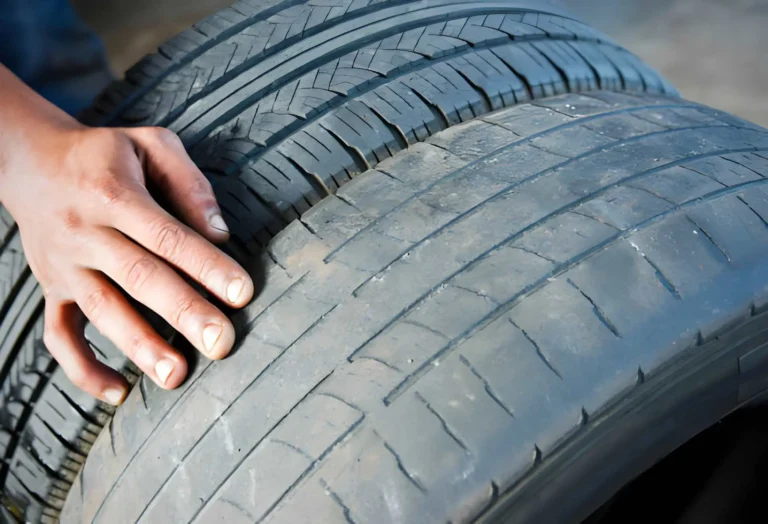
Uneven angles cause uneven wear. Alignments help your tires last thousands of miles longer.
Improved Fuel Efficiency
Less rolling resistance = less energy required to move your vehicle.
Lower Suspension Stress
Proper geometry reduces strain on ball joints, tie rods, control arms, and bushings.
Better Braking Stability
A properly aligned vehicle maintains balanced traction during sudden stops.
When to Schedule Your Next Alignment
You should consider an alignment if you notice:
- drifting left or right
- crooked steering wheel
- rapid or uneven tire wear
- vibration in the wheel
- difficulty steering
- recent pothole or curb impact
Most experts recommend checking alignment at least once a year, or more often for drivers in urban, snowy, or rough-terrain areas.
A Proper Alignment Always Pays Off
Few maintenance tasks deliver noticeable results as quickly as a precision alignment. The moment you drive away, whether from a shop or after using your own machine, you feel the difference: smoother control, stable handling, and a driving experience that simply feels right.
Also Read – Why Your Car’s Handling Improves Instantly After a Proper Alignment