

Machine Calibration and Testing: Your Guide to Precision and Safety
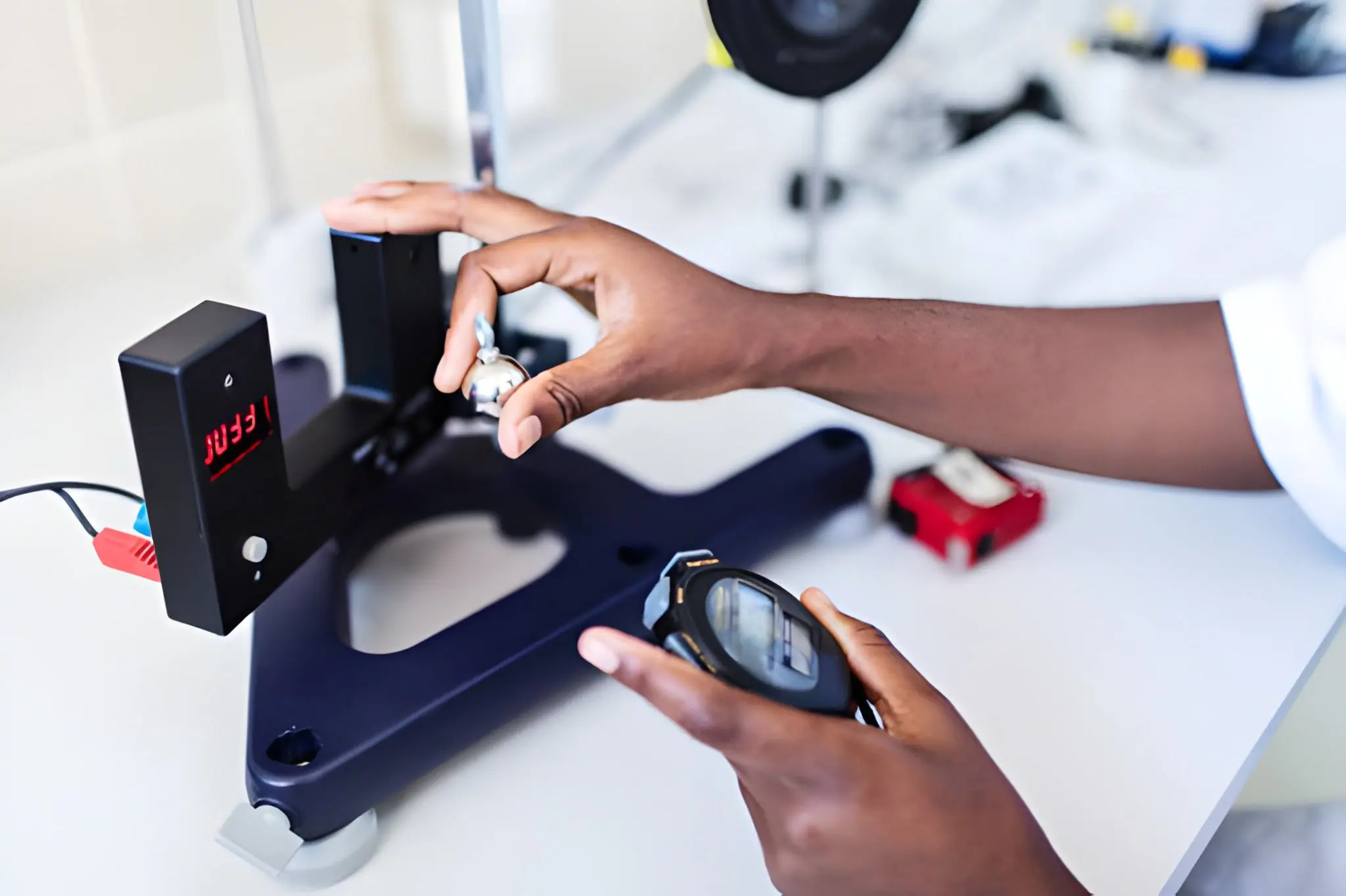
Machine downtime costs manufacturers $50,000 per hour, a problem that proper calibration and testing can prevent. Machine calibration adjusts equipment to specified standards, while testing validates its performance. Implementing these rigorous programs leads to fewer safety incidents, consistent product quality, avoided costly emergency repairs, and worker protection.
Why Machine Calibration Matters
Precision Drives Profitability
Manufacturing tolerances have become increasingly tight across industries. Automotive parts require dimensional accuracy within micrometers. Food processing equipment must maintain precise temperatures to ensure product safety. Even small deviations from specifications can result in rejected batches, warranty claims, and damaged customer relationships.
Calibrated machines consistently produce parts within tolerance ranges. They reduce scrap rates and minimize rework costs. Companies report quality improvements of 15-30% after implementing comprehensive calibration programs.
Safety Remains Non-Negotiable
Improperly calibrated equipment poses serious safety risks. Pressure vessels operating beyond safe limits can rupture. Cutting tools with incorrect settings can kick back unexpectedly. Temperature controllers that fail to maintain proper heat levels can cause burns or fires.
The Occupational Safety and Health Administration (OSHA) requires employers to maintain equipment in safe working condition. Regular calibration helps demonstrate compliance with these requirements. It also reduces workers’ compensation claims and insurance premiums.
Efficiency Impacts Bottom Lines
Well-calibrated machines operate at optimal efficiency levels. They consume less energy, require fewer adjustments during production runs, and maintain consistent cycle times. This translates directly to reduced operating costs and increased throughput.
Consider a packaging line where sealing temperatures drift over time. Operators must constantly adjust settings, slowing production and increasing waste. Proper calibration eliminates these interruptions, allowing teams to focus on value-added activities.
Regulatory Compliance Protects Business Operations
Many industries face strict regulatory requirements for equipment performance. Pharmaceutical manufacturers must validate that mixing equipment achieves proper homogeneity. Food processors need accurate temperature monitoring to prevent contamination. Medical device companies require precise torque specifications for assembly operations.
Calibration records provide essential documentation for regulatory audits. They demonstrate due diligence in maintaining product quality and safety standards.
Understanding the Calibration Process
Assessment and Planning
Effective calibration begins with identifying which machines require attention. Critical equipment that directly affects product quality or safety receives highest priority. Secondary systems may operate on extended calibration intervals based on historical performance data.
Calibration schedules depend on several factors:
- Equipment manufacturer recommendations
- Regulatory requirements
- Operating environment conditions
- Historical drift patterns
- Production volume and intensity
Tools and Standards
Calibration requires traceable reference standards that exceed the accuracy of equipment being tested. These standards connect to national measurement institutes through an unbroken chain of comparisons.
Common calibration tools include:
- Digital multimeters for electrical measurements
- Pressure calibrators for hydraulic and pneumatic systems
- Temperature references for thermal processes
- Dimensional gauges for mechanical measurements
- Flow meters for fluid systems
Milwaukee Hydraulic Cylinders and similar precision components often require specialized calibration fixtures that simulate actual operating conditions.
Documentation and Traceability
Every calibration event generates records that demonstrate equipment performance. These documents include:
- Pre-calibration readings showing equipment condition
- Adjustment details and corrective actions taken
- Post-calibration verification measurements
- Uncertainty calculations and compliance statements
- Next scheduled calibration dates
Digital calibration management systems streamline this process, automatically generating certificates and tracking due dates.
Testing Methods for Machine Performance
Functional Testing
Functional tests verify that machines perform their intended operations correctly. A drilling machine undergoes spindle runout checks, feed rate verification, and cutting force measurements. These tests reveal problems that static calibration might miss.
Environmental Testing
Operating conditions significantly impact machine performance. Temperature fluctuations affect dimensional accuracy. Humidity changes influence electrical systems. Vibration from nearby equipment can degrade precision operations.
Environmental testing evaluates machine performance across expected operating ranges. This helps establish appropriate operating limits and maintenance schedules.
Load Testing
Many machines perform differently under varying load conditions. Hydraulic systems may maintain pressure accurately at low loads but drift under maximum stress. Electrical drives might regulate speed precisely when lightly loaded but struggle with heavy workpieces.
Progressive load testing identifies these performance variations, enabling operators to establish proper operating procedures.
Repeatability Studies
Consistent performance distinguishes quality machines from problematic equipment. Repeatability studies measure how closely a machine reproduces identical operations over multiple cycles.
These studies typically involve 30-50 repetitions of standardized operations. Statistical analysis reveals whether variations fall within acceptable limits or indicate developing problems.
The Role of Custom Industrial Brushes
Industrial brushes play crucial roles in maintaining machine accuracy and cleanliness. Custom industrial brushes remove debris from precision surfaces, preventing contamination that could affect measurements. They clean optical systems in measurement equipment, ensuring accurate readings.
In calibration applications, specialized brushes remove particles from reference surfaces without scratching delicate finishes. Anti-static brushes safely clean electronic components in sensitive measurement instruments.
Brush selection depends on specific applications. Natural bristles work well for gentle cleaning of precision surfaces. Synthetic materials offer chemical resistance for harsh environments. Metal wire brushes provide aggressive cleaning action when required.
Proper brush maintenance ensures consistent cleaning performance. Regular inspection identifies worn bristles that might scratch surfaces or leave residue. Replacement schedules prevent contamination from degraded brush materials.
Benefits of Regular Calibration and Testing
Cost Avoidance Through Prevention
Preventive calibration costs significantly less than emergency repairs. A planned calibration might cost $500-1000 per machine, while emergency troubleshooting and parts replacement can exceed $10,000. Regular maintenance extends equipment life, delaying expensive capital replacements.
Quality Consistency
Calibrated machines produce consistent results batch after batch. This reduces customer complaints, warranty claims, and product recalls. Companies report 20-40% reductions in quality-related costs after implementing comprehensive calibration programs.
Operational Efficiency
Well-maintained machines require fewer manual adjustments during production. Operators spend less time troubleshooting and more time producing value. Setup times decrease when machines hold their settings reliably.
Risk Mitigation
Regular testing identifies potential failures before they occur. Trending analysis reveals gradual degradation patterns, allowing planned maintenance during scheduled downtime. This prevents unexpected breakdowns during critical production periods.
Insurance and Liability Benefits
Insurance companies often offer premium discounts for facilities with documented maintenance programs. Calibration records demonstrate proactive equipment management, reducing liability exposure from accidents or product defects.
Building a Sustainable Program
Resource Planning
Successful calibration programs require adequate staffing and budget allocation. Internal technicians need proper training and certification. External calibration services must meet quality requirements and delivery schedules.
Equipment needs include reference standards, calibration software, and documentation systems. Initial investments pay for themselves through reduced downtime and improved quality.
Continuous Improvement
Calibration data provides valuable insights into equipment performance trends. Analysis reveals which machines require more frequent attention and which can operate on extended intervals. This optimization reduces costs while maintaining performance standards.
Regular program reviews identify opportunities for improvement. New technologies might offer better accuracy or efficiency. Process changes could eliminate some calibration requirements or create new ones.
Conclusion
Machine calibration and testing form essential foundations for safe, efficient manufacturing operations. They protect workers, ensure product quality, and minimize operational risks. While initial implementation requires investment and planning, the long-term benefits far exceed the costs.
Also Read-Financial Health Strategies for Busy Healthcare Professionals