
Why Metal Fabricators Are Replacing Nitrogen Cylinders with On-Site Generation
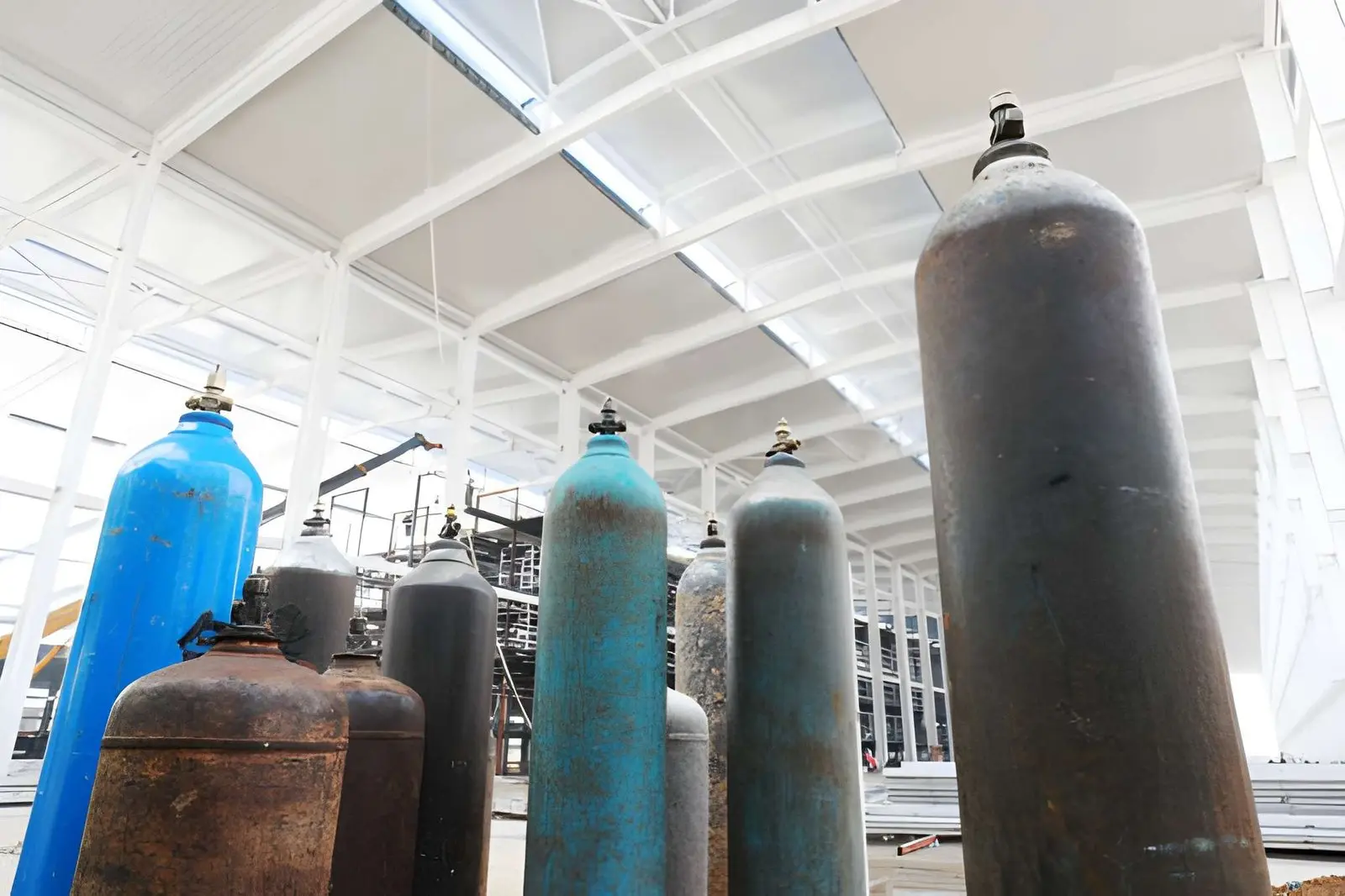
Nitrogen is an essential part of the laser cutting process in metal fabrication. As an assist gas, it displaces oxygen at the cutting zone, preventing oxide formation on the cut edge and eliminating the secondary finishing operations that oxide-contaminated edges require. For fabricators cutting stainless steel, aluminium and other non-ferrous materials, nitrogen is not optional but a process requirement. For most of the industry’s history, that nitrogen has arrived in cylinders. An increasing number of fabricators are now replacing cylinder supply with on-site generation, and the reasons are consistent across operations of every scale: cost, reliability and control. Presscon.com is a Dutch specialist in nitrogen generation systems with more than 25 years of experience in designing and building on-site solutions for metal fabrication and laser cutting environments.
The Real Cost of Nitrogen Cylinder Supply in a Laser Cutting Operation
The visible costs of cylinder supply are rental, refilling charges and delivery fees. These costs scale directly with production volume without any reduction in unit price, and fabricators who have upgraded to high-power fibre laser machines often find that nitrogen costs have increased sharply without any deliberate decision to accept that increase.
The indirect costs are less visible but frequently more significant. A machine that runs out of nitrogen mid-shift stops producing, and restarting requires a cylinder change and pressure stabilisation before cut quality is restored. Cylinder management consumes staff time across inventory monitoring, order placement, delivery handling and cylinder movement within the facility. Delivery scheduling introduces a further vulnerability: a delayed delivery during high demand or a public holiday creates a supply gap that advance planning cannot fully eliminate, pushing fabricators to hold larger buffer inventories that increase rental costs and consume floor space.
How On-Site Nitrogen Generation Works in a Metal Fabrication Environment
An on-site nitrogen generator produces nitrogen directly from compressed air using Pressure Swing Adsorption technology. Compressed air passes through vessels filled with Carbon Molecular Sieve, which adsorbs oxygen while nitrogen passes through as the product gas. Two vessels alternate between adsorption and regeneration, delivering a continuous nitrogen stream to a buffer vessel and from there to the cutting machines. The system operates automatically, matching output to actual consumption with no cylinders to connect, no pressure drops and no supply interruptions. Beyond the cutting process itself, the same nitrogen supply supports nitrogen purging of pipelines, cutting heads and process equipment to remove oxygen before production starts or after maintenance, using a single on-site source for all nitrogen requirements in the facility. Presscon’s N-Gen systems use HP-PSA technology with a patented CMS compression mechanism that extends sieve life, stabilises output and reduces energy consumption by 40 to 50% compared to conventional PSA systems. Individual modules can be isolated for maintenance without interrupting supply, and a faulty module is replaceable in under 15 minutes.
The Operational Advantages of Switching to On-Site Generation
Continuous supply and production reliability
An on-site generator produces nitrogen as long as compressed air is available. There is no inventory to deplete, no delivery to wait for and no cylinder to change between shifts. Production schedules are no longer constrained by gas supply logistics, and the risk of a mid-shift stoppage caused by an empty cylinder is eliminated entirely. For fabricators running multiple shifts or operating lights-out cutting during overnight hours, supply continuity is particularly valuable because there is no staff available to manage a cylinder change when a supply interruption occurs.
Consistent gas pressure and flow for cut quality
Cylinder pressure decreases as the cylinder empties. In a laser cutting application where assist gas pressure at the cutting head is a controlled process parameter, a declining supply pressure affects cut quality in ways that are not always immediately obvious. Edge quality, dross formation and cut speed consistency are all influenced by assist gas pressure stability. An on-site generation system with a properly sized buffer vessel delivers nitrogen at a stable, regulated pressure regardless of production demand, removing supply pressure variability as a source of cut quality inconsistency.
Scalability as machine capacity grows
A fabrication business that adds a second or third laser cutting machine faces a straightforward scaling problem with cylinder supply: consumption doubles or triples, delivery frequency increases and cylinder storage requirements grow proportionally. An on-site generation system scales by adding generator modules to the existing installation, increasing output capacity without changing the supply infrastructure or the connection to the cutting machines. This modular scalability means that the initial investment in on-site generation does not need to be sized for future capacity that does not yet exist, while still providing a clear and cost-effective path to increased nitrogen supply as the business grows.
What the Switch Looks Like in Practice
The transition from cylinder supply to on-site generation is an engineering project rather than a simple equipment swap, but it is a well-defined one. The starting point is an assessment of current nitrogen consumption across all cutting machines, including peak flow rates, operating pressure requirements and total daily volume. This data determines the generator capacity and buffer vessel size required to supply the operation reliably.
The compressed air supply feeding the generator must meet quality requirements for moisture content, oil content and particulate levels. In most fabrication facilities, the existing compressor infrastructure can supply the generator after appropriate filtration and drying equipment is installed or verified. Where the existing compressor capacity is insufficient, this is identified during the assessment and addressed as part of the installation project.
Physical installation involves positioning the generator and buffer vessel, connecting the compressed air supply, running the nitrogen distribution pipework to the cutting machines and commissioning the control system. For fabricators seeking more detail on how nitrogen generation integrates with laser cutting operations, read more about nitrogen for laser cutting covers the full scope of application and system design considerations.
The payback period for on-site generation in a laser cutting environment depends on current cylinder costs and consumption volume. For fabricators with significant nitrogen consumption, the return on investment is typically achieved within 12 to 18 months. Beyond payback, the ongoing operating cost of on-site generation is substantially lower than equivalent cylinder supply, and that cost advantage increases as production volume grows because the marginal cost of additional nitrogen from an on-site generator is far lower than the marginal cost of additional cylinder deliveries.
Also Read
- Gradding Introduces AI-Powered IELTS Practice Tech for Smarter Preparation
- How to Choose the Right Home for Your Lifestyle
- Wisdom Teeth Removal: What to Expect from Start to Finish