
The ‘Bake’ Debate: Can 10 Minutes in an Oven Really Fix Your Foot Pain?
For decades, there was a grim rite of passage in ice hockey known as “breaking in.” You bought a new pair of skates, and you accepted that for the next month, your feet would bleed. You would suffer blisters, bone spurs, and cramping until the leather finally surrendered to the shape of your foot.
But walk into a modern pro shop today, and you will see something that looks suspiciously like a toaster oven sitting on the counter. The clerk will tell you that after ten minutes inside, the boot will fit you perfectly.
Is this just a sales gimmick? Or has material science finally killed the break-in period?
The answer lies in the evolution of what skates are actually made of. We have moved from the era of leather and stitching to the era of composite thermoplastics and thermo-moldable resins. Understanding this shift is the key to solving foot pain forever.
The Science of “Negative Space”
The primary enemy of a hockey player is not the opposition; it is “negative space.” This is the tiny gap of air between your foot and the inside wall of the boot.
When you skate, you transfer energy from your legs, through your ankle, into the boot, and down to the ice. If there is negative space, your foot slides inside the boot before the boot moves. This “energy leak” kills your acceleration. Worse, that sliding creates friction, which creates blisters.
In the old days, leather boots had to be physically beaten into submission to eliminate these gaps. Today, manufacturers build boots using resins that are rigid at room temperature but become pliable at around 175°F (80°C).
The Baking Process
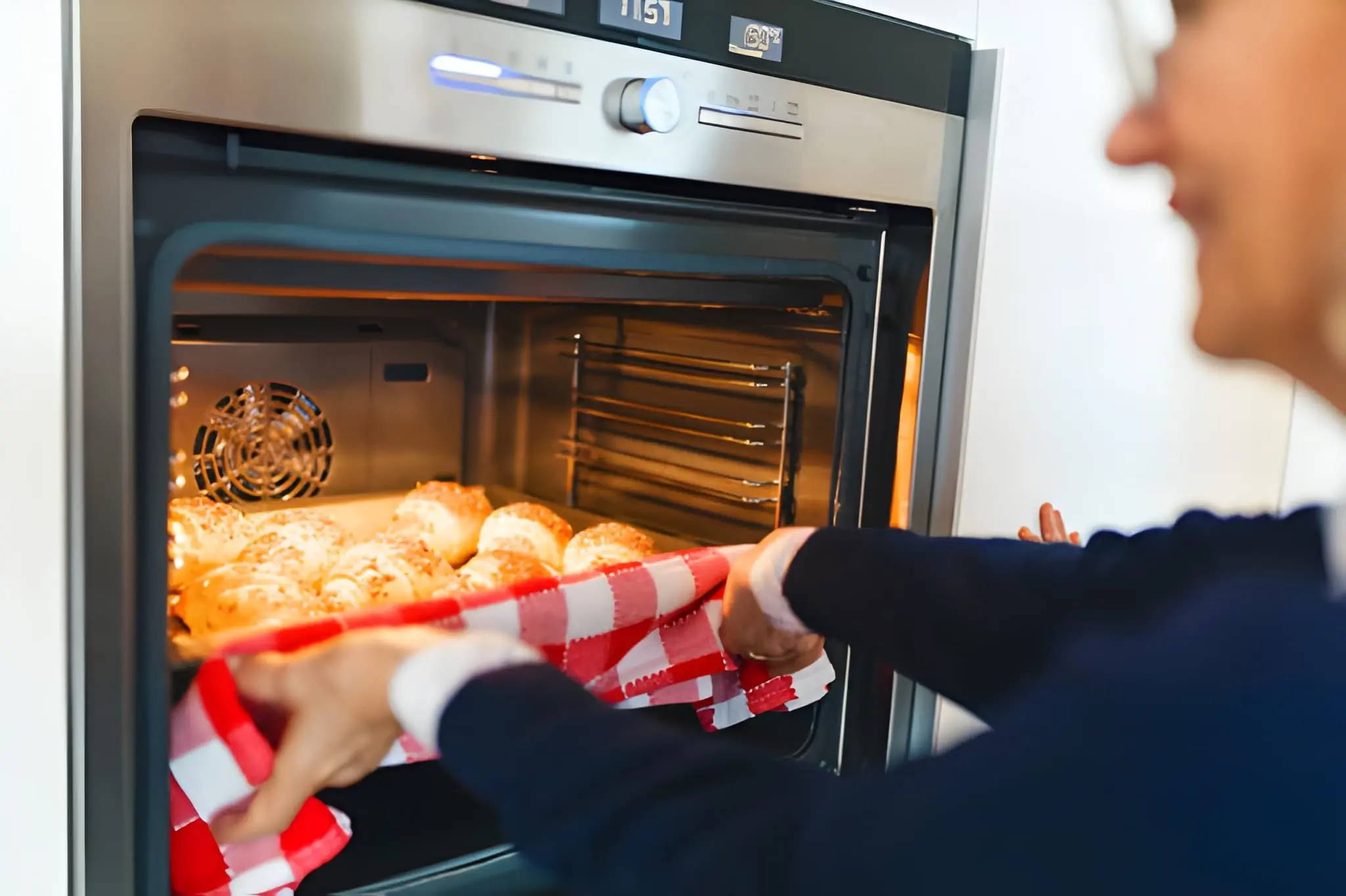
When a skate is “baked,” the heat softens the quarter package (the side panels) and the internal foams. While the materials are warm, you lace the skate up tightly and sit still for 15 minutes. As the materials cool, they harden again—but this time, they harden around the unique topography of your malleolus (ankle bone), your heel width, and your navicular bone.
This process effectively creates a custom cast of your foot. It eliminates the negative space without the need for weeks of painful friction. It locks the heel in place, which is the single most critical factor in skating stability.
The Limits of Heat
However, there is a dangerous misconception that baking can fix any fit issue. It cannot.
Thermo-molding can wrap a boot around your foot, but it cannot make a boot longer or significantly wider. If you buy a skate that is too narrow for your forefoot, baking it will not magically stretch the toe box. The toe cap is made of hard plastic that does not respond to heat.
Furthermore, not all skates are created equal. This is where the tier of the equipment matters.
Entry-level skates often use standard foams and nylon shells that have very little “memory.” You can put them in the oven, but they won’t change shape much. As you move up the price ladder to mid-range and elite-level senior hockey skates, the manufacturers use higher-grade composites (like Curv composite or carbon fiber) and proprietary resins designed specifically for 3D molding. These high-end boots can wrap around the foot so closely that they feel like a second skin.
The “Re-Bake” Myth
Another common debate is whether you can bake skates multiple times. The general consensus among equipment managers is: yes, but use caution.
Every time you heat the resins, you accelerate the breakdown of the materials slightly. A skate can typically handle two or three bakes in its lifetime. This is useful if you sell your skates to a friend, or if your foot shape changes slightly. But baking them every season “just because” will make the boot softer and reduce its lifespan.
Conclusion
The oven is not a gimmick. It is a necessary tool for unlocking the performance of modern composite footwear. By utilizing heat molding, players can achieve a level of energy transfer and comfort that was physically impossible in the leather era.
The days of bleeding for your sport should be over. If your feet hurt, don’t just tough it out. Check the materials, check the fit, and get them in the oven. The only thing you should be breaking is records, not your skin.
Also Read-Financial Health Strategies for Busy Healthcare Professionals